Tata Motors has given their micro-SUV Punch a full makeover and launched the refreshed 2026 Tata Punch recently. The changes made to it are, however, somewhat inspired by the all-electric Punch EV, which is the reason why the two versions are looking so similar to each other. Here’s a comprehensive comparison of the new Tata Punch facelift (ICE) vs. Tata Punch EV, which includes design, interiors, features, powertrains, prices, and rivals.
Design
Front
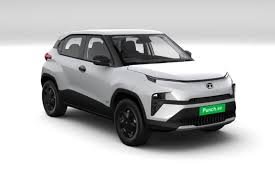
Both versions follow Tata’s latest design language but feature subtle cues to distinguish the ICE from the EV. The facelifted Punch ICE sports a slimmer black grille strip, while the Punch EV gets a closed-off front panel.
Another key difference lies in the LED DRLs. The ICE model features individual LED DRL units, whereas the Punch EV gets sleeker, connected LED DRLs with a central lighting element. On both models, the DRLs double as turn indicators, but the EV stands out with dynamic indicators and welcome/goodbye lighting animations, similar to the Nexon EV. The Punch EV also carries Tata’s new 2D logo with an integrated charging flap.
Both SUVs get triangular housings for the all-LED projector headlamps, LED fog lamps with cornering function, and a front camera as part of the 360-degree camera system. The ICE version uses a bullbar-style silver skid plate, while the EV adopts a more conventional design.
Side
From the side, the similarities are most apparent. Both get thick body cladding, black ORVMs with integrated turn indicators, roof rails, and C-pillar-mounted rear door handles.
While both ride on 16-inch dual-tone alloy wheels, the Punch EV’s alloys are aerodynamically optimised to improve efficiency.
Rear
At the rear, lighting once again sets them apart. The Punch ICE features revised, connected LED tail-lamps, while the Punch EV continues with separate tail-lights with Tata’s signature tri-arrow motifs. The ICE model wears ‘Punch’ badging, while the EV gets ‘Punch EV’ branding. Both get a silver skid plate, though it’s a two-piece unit on the electric version.
Interior
The biggest upgrade for the Punch ICE is its cabin, which now borrows heavily from the Punch EV. It gets the same 2-spoke steering wheel with an illuminated Tata logo, redesigned central AC vents, and a touch-based climate control panel.
The centre console layout differs, however. The ICE Punch uses a conventional gear lever and handbrake, while the EV features a rotary drive selector and an electronic parking brake.
In terms of ambience, the ICE version gets a dual-tone grey-and-blue cabin, whereas the Punch EV uses a white-and-grey theme that feels brighter and more spacious. Both models offer front and rear centre armrests, adjustable headrests for front and rear seats (except the rear middle passenger), and practical storage solutions.
Features and Safety
Both the Punch ICE and Punch EV are generously equipped, offering:
- 10.25-inch touchscreen infotainment system
- Wireless Apple CarPlay and Android Auto
- Single-pane sunroof
- Cruise control
- Automatic climate control with rear AC vents
- Wireless phone charger
- Push-button start/stop
- Height-adjustable driver’s seat
The Punch EV goes a step further with a larger 10.25-inch fully digital driver’s display (the ICE gets a 7-inch unit) and ventilated front seats.
On the safety front, both models come with six airbags as standard, ABS with EBD, hill assist, ISOFIX child-seat mounts, and 3-point seatbelts for all passengers. Notably, both the Punch ICE and Punch EV have scored a full 5-star rating in Bharat NCAP crash tests.
Powertrain Options
The biggest difference between the two lies under the hood.
2026 Tata Punch (ICE):
- 1.2-litre naturally aspirated petrol
- 1.2-litre turbo-petrol (derived from Nexon)
- 1.2-litre petrol+CNG (India’s first CNG-AMT SUV)
- Transmission options include manual and AMT
Tata Punch EV:
- Medium Range (25 kWh) with 315 km MIDC range
- Long Range (35 kWh) with 421 km MIDC range
- Single electric motor with multiple regenerative braking modes
The ICE Punch offers flexibility with petrol, turbo-petrol, and CNG options, while the EV focuses on silent performance and efficiency.
Price and Rivals
TThe pricing for the 2026 Tata Punch facelift is set at Rs 5.59 lakh to Rs 10.54 lakh (introductory, ex-showroom). On the other side, the Tata Punch EV has a price range from Rs 9.99 lakh to Rs 14.44 lakh.
The Punch ICE competes with Hyundai Exter, Citroen C3, Maruti Fronx, and Toyota Urban Cruiser Taisor. Citroen eC3 is the main competitor for the Punch EV and it also acts as a premium option over Tata Tiago EV and MG Comet EV.
Tata has brought the ICE Punch closer to its electric sibling through the facelift, and this alignment has been reflected in the design and features provided to the buyers, whether they opt for petrol, CNG, or electric power.