
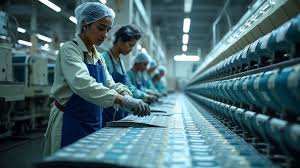
Coimbatore is unarguably one of the most colourful industrial centers located in Tamil Nadu and also known as the “Textile City of India” because it has a huge network of spinning mills, garment factories, power looms, and textile machinery units. Coimbatore is the place where thousands of production units are located and this region has been able to get to the top of the world in the production of cotton yarn, fabrics, knitwear, and home textiles—feeding not only the domestic but also the global market.
A Dominant Force in India’s Cotton Yarn Production
Coimbatore is one of the major cotton yarn producers in India and the mills are supplying the yarn to the major textile hubs of India which are Gujarat, Maharashtra, and Tamil Nadu. This yarn is referred to as the backbone of the Indian garment sector since it is mainly supplied to the sewing factories of the leading Indian and international brands that produce ready-made garments.
A Complete Textile Ecosystem in One City
What makes Coimbatore unique is its fully integrated textile chain. From procuring cotton to spinning, weaving, dyeing, printing, and stitching—every stage of the production process happens within the region. This reduces costs and boosts efficiency, making the city a preferred choice for textile businesses.
A Key Export Hub
Coimbatore is a major exporter of yarn, towels, knitwear, fabrics, and technical textiles. Its strong export network has helped India maintain a solid presence in global textile markets while creating steady economic growth for the region.
Home to India’s Textile Machinery Manufacturing
Beyond fabric production, Coimbatore is also a leading hub for textile machinery. Mills across India and several other countries rely on machines and spare parts manufactured here, cementing the city’s reputation as one of Asia’s major centres for textile engineering.
Interesting Textile Facts
- Textiles are one of India’s oldest industries, dating back to the Indus Valley Civilisation.
- The textile sector is India’s second-largest employer, with millions working in spinning, weaving, dyeing, and garment manufacturing.
- Cotton is the most widely used natural fibre, and India is one of its biggest producers.
- Synthetic fibres like polyester and nylon remain popular for sportswear and industrial fabrics.
- India earns significant foreign exchange through textile exports, strengthening the national economy.

Women’s Reservation Bill Fails in Lok Sabha; Rahul Gandhi Slams Centre, Credits Opposition Unity
The Lok Sabha rejected the women’s reservation bill on Friday which led to intense political reactions because Leader of the Opposition Rahul Gandhi accused the government of trying to damage the Constitution through its efforts to