
The US Department of Justice (DOJ) has partially released thousands of pages of documents connected with Jeffrey Epstein’s crimes, and this has resulted in a mix of anxiety and frustration among the survivors. Although the Epstein Files Transparency Act mandated complete transparency, a significant amount of the documents has been heavily redacted, and more files are anticipated in the following weeks.
Survivors Concerned About Redactions
Epstein survivors like Liz Stein and Marina Lacerda expressed concern over the “slow roll-out” and extensive redactions, fearing crucial context may be missing. Stein called the DOJ’s approach “brazenly against” the transparency law, while Lacerda noted survivors remain “nervous and sceptical” about future releases.
What the Released Files Contain
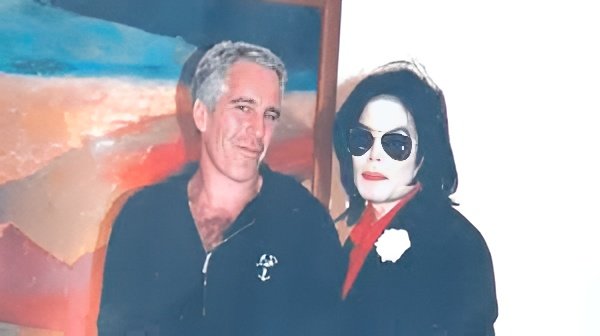
The documents that have been released contain pictures of Epstein along with prominent people such as the former US Presidents Bill Clinton and Donald Trump, the infamous Ghislaine Maxwell outside Downing Street, and various artists like Michael Jackson, Mick Jagger, and Diana Ross. The Department of Justice made it clear that being part of the records is not a proof of illegal activities.
Some files, including sensitive photographs and documents, were later removed from the DOJ website. The department stated that photos and materials are under review and redacted “in an abundance of caution” to protect victims and comply with federal law.
Legal and Political Reactions
Lawmakers who advocated for the release, including Democrats and Republicans, criticized the DOJ for incomplete disclosure. Congressman Ro Khanna called the release “incomplete” and highlighted the lack of explanation for redactions, while Congressman Thomas Massie suggested potential accountability measures for DOJ officials.
DOJ and Official Statement
Deputy Attorney General Todd Blanche stated that among the disclosed information, the department had already managed to identify more than 1,200 victims or their relatives and had provided protection to their identities, which was one of the factors that included child sexual abuse, physical abuse, ongoing investigations and classified materials. The Justice Department also pointed out that the names of the politicians and the public personalities involved would be disclosed only if they were the victims concerned and would not be redacted otherwise.
The legal professionals have cautioned that the extensive use of redaction might give rise to conspiracy theories, whereas the advocates for human rights have argued that the issue of victim confidentiality should take precedence. Blanche has promised that the documents containing names of people like Trump or Clinton would not be withheld during the process of disclosure if the action was in accordance with the law.
The release of documents brings to the surface the already existing conflict between transparency and the protection of victims, thus, leaving the survivors to be eager yet cautious while waiting for the complete unearthing of the Epstein’s files.




Women’s Reservation Bill Fails in Lok Sabha; Rahul Gandhi Slams Centre, Credits Opposition Unity