
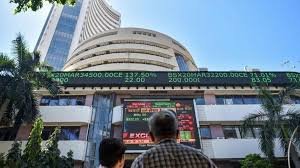
The Indian equity markets experienced a significant decline during the previous week as benchmark indices ended the day with major losses because investors maintained a cautious approach and market performance showed widespread declines.
The Nifty 50 dropped over 2.5 percent to reach 25,048 while the BSE Sensex declined almost 2.4 percent to finish the week at 81,537. All sectoral indices showed selling pressure which caused all sectors to finish their trading day in the red. The correction affected midcap and smallcap stocks the most, which resulted in substantial losses for investors.
Market participants remained on edge because of domestic uncertainties and global challenges. The upcoming week will see market direction at Dalal Street change due to multiple important factors which will influence trading activities.
1. Union Budget Expectations
Investors are monitoring government regulations which impact five areas of fiscal discipline and capital expenditure and taxation and infrastructure development and sector-specific financial incentives because the Union Budget is about to be announced. Budget-related speculation will create market fluctuations which will especially affect banking stocks and infrastructure stocks and capital goods stocks and defence stocks and stocks that focus on consumer spending.
2. Q3 Earnings Season
The December-quarter earnings season is in full swing and will remain a major market driver. Results from heavyweight companies across banking, IT, FMCG, metals and autos will shape stock-specific action. Revenue growth, margin trends, demand outlook, and management statements are the preferred subjects of interest for most stakeholders regarding the health of the corporate Indian ecosystem.
3. Global Market Cues
International market trends will determine the direction of domestic stock markets. The combination of worldwide economic growth developments and geopolitical conflicts together with economic indicators from the US and Europe and China will shape investors’ willingness to take risks. Any sharp movement in global equities may spill over into Indian markets.
4. US Federal Reserve and Interest Rate Outlook
Global investors continue to monitor US Federal Reserve rate path projections because these expectations represent their primary focus. The market will pay close attention to statements made by Fed officials while US inflation and growth statistics will also receive heightened scrutiny. Emerging markets, including India, will experience effects from changes in global interest rate expectations.
5. Crude Oil Prices
Crude oil prices maintain their status as a vital factor which affects India because the country imports oil. The market will experience negative effects from rising oil prices which will create inflation worries and increase current account deficits and impact market confidence whereas current oil prices will provide businesses with relief.
6. FII and DII Activity
Foreign institutional investor (FII) flows will continue to be a critical factor. Sustained FII selling has added pressure on markets in recent sessions. Domestic institutional investors (DIIs) will likely provide market support when valuations reach their attractive point.
7. Rupee Movement
The upcoming analysis will examine how the Indian rupee moves against the US dollar. A weakening rupee will harm sectors that depend on imports but stable exchange rates will enhance market sentiment.
8. Technical Levels and Volatility
Traders observe the Nifty and Sensex because they want to track important support and resistance levels. The market will experience high volatility because it will respond to both earnings announcements and macroeconomic events.
The upcoming week will experience many events because the Union Budget announcement and corporate earnings report and global market trends will determine market movements. Investors will remain cautious while they select particular stocks because Dalal Street has become more unpredictable.




Women’s Reservation Bill Fails in Lok Sabha; Rahul Gandhi Slams Centre, Credits Opposition Unity