
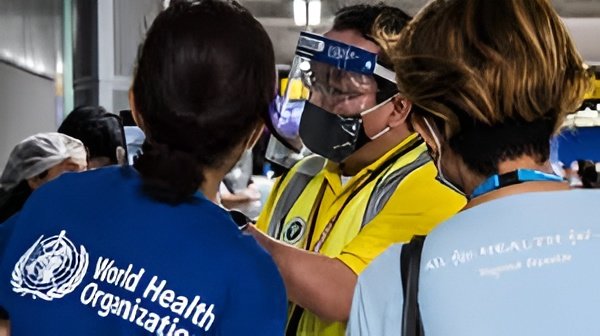
Health officials in Bangladesh have confirmed a fatality linked to the Nipah virus (NiV), a rare but deadly zoonotic disease with a staggering fatality rate of up to 75%. Despite the severity of the virus, the World Health Organization (WHO) has assessed the current risk of a large-scale outbreak as low.
Case Details: The Date Palm Sap Link
The victim, a woman in her late 40s from the Naogaon district in northern Bangladesh, began showing symptoms on January 21 and succumbed to the illness one week later.
- Cause of Infection: Investigation revealed the woman had consumed raw date palm sap, a traditional winter delicacy in the region.
- Containment: Health authorities traced 35 individuals who had close contact with the deceased; all have tested negative.
- Regional Context: This report follows two confirmed cases involving healthcare workers in neighboring West Bengal, India, last month.
Understanding the Nipah Virus (NiV)
First identified in 1998 in Malaysia, the Nipah virus is primarily transmitted from fruit bats (Pteropodidae family) to humans or animals like pigs.
How it Spreads:
- Contaminated Food: Consuming fruit or sap (like date palm juice) contaminated by the saliva or urine of infected fruit bats.
- Animal-to-Human: Direct contact with infected pigs or their bodily fluids.
- Human-to-Human: Close contact with an infected person’s secretions (though this is less common).
Symptoms and Severity:
Infection often starts with flu-like symptoms but can rapidly escalate into life-threatening conditions.
| Stage | Common Symptoms |
| Early Stage | Fever, headache, muscle pain, vomiting, and sore throat. |
| Neurological Stage | Dizziness, drowsiness, and altered consciousness. |
| Critical Stage | Acute encephalitis (brain swelling), seizures, and coma within 24–48 hours. |
Why 2026 Remains a “High Watch” Period
In Bangladesh, Nipah cases typically spike between December and April. This coincides with the date palm harvest season. While the virus is highly lethal, it does not currently spread as easily between humans as viruses like COVID-19.
WHO Advisory: “The possibility of regional or international spread appears low. We do not recommend any restrictions on travel or trade at this time.”
Currently, there are no vaccines or specific antiviral treatments for Nipah virus. Management is limited to intensive supportive care, making prevention and public awareness—specifically avoiding raw date palm sap—the primary defense.




Women’s Reservation Bill Fails in Lok Sabha; Rahul Gandhi Slams Centre, Credits Opposition Unity