
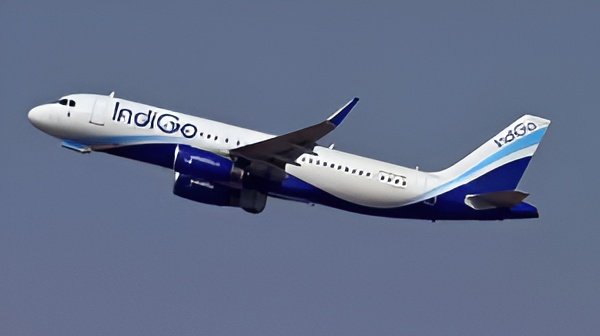
Despite the technical and operational challenges tie-ups, aviations still ranked the safest way to transport people and goods. It could be however, the most difficult to run and operate—things like precision, discipline and adherence to rules are the only qualities, a company can have. Airlines usually become national icons—Singapore Airlines signifies Singapore’s productivity, Emirates personifies Dubai’s connectivity and for so long, IndiGo was the golden bird India’s aviation sector. Its tree of growth seemed to be bear no end; rather, endless.
However, the illusion of invincibility got somewhat smashed when IndiGo has to cancel widely due to flight operations disarray that happened in December. The shutdown of operations that affected the whole of its network was believed to be caused by the disputes between the management and the pilots over safety regulations and compliance requirements. It was a massive problem that has been going on for some time and was now revealed.
The disaster brought to light a lot of unheeded issues: accusations of unfair labor practices; DGCA (Directorate General of Civil Aviation) rules not being enforced properly; and no real means for the passengers to get compensated when the airline fails to operate. What was happening was not just a matter of scheduling but a major problem in the whole system that relied on tight connections, where a single crack could quickly lead to a crisis.
IndiGo, which was established in 2005, has already made the news even before its inaugural flight when it made a mammoth order of 100 Airbus A320 aircraft—this showed the character of the company. With the support of a notorious managerial team and meticulous planning, IndiGo commenced one year later and soon changed India’s air traffic with its low-cost and high-efficiency model.
For almost 20 years, the ascent of IndiGo was frequently mentioned as the evidence of the huge potential of Indian aviation. Still, the recent downfall is a clear sign that the situation can be brittle if there are no protective measures in place. While the regulators, airlines, and policymakers are evaluating the repercussions, the incident puts forward very important matters like the rights of the passengers, the oversight of regulation and the welfare of workers—these will be the issues that determine the future stability of the Indian aviation industry.