
Akhanda 2 has finally made it to the big screen today, December 12, after crossing various obstacles during the process. The premiere shows started yesterday, and there have been early reactions coming through social media already. The expectations of the powerful moments from the Balakrishna-Boyapati Srinu partnership are met, but some unexpected drawbacks have also emerged. Here is a balanced view of the major strengths and weaknesses of the film.
What Works for Akhanda 2
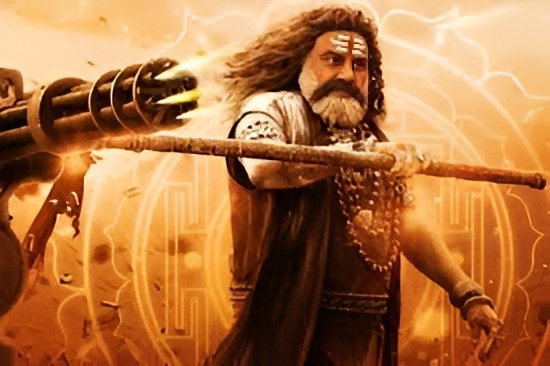
One of the biggest positives of the sequel is the early establishment of the Aghora character. In the first Akhanda, the Aghora entry was designed as a surprise element. This time, director Boyapati Srinu introduces the character earlier, setting the tone and preparing the audience for the film’s narrative direction.
Balakrishna’s younger look and entry scene stand out and are sure to please fans. The mass appeal continues with the song “Nutmeg,” which has all the ingredients to connect strongly with the masses, especially with Samyukta Menon’s glamour adding to its visual appeal.
Visually, the Mahakumbh Mela sequences are grand and aesthetically rich. The cinematography gives the film a polished and larger-than-life feel. The pre-interval block is another highlight, with the trident fight sequence offering a thrilling cinematic moment.
In the second half, an emotionally intense scene involving the mother character leaves a strong impact. The sequence that follows pulls viewers into a trance-like experience, best felt on the big screen. Additionally, the action sequence inspired by Hanuman symbolism adds to the film’s mythological undertone and mass appeal.
Where the Film Falls Short
Despite these strengths, Akhanda 2 doesn’t fully live up to the high expectations set by its predecessor. One of the biggest disappointments is Thaman’s background score. While Akhanda was celebrated for its powerful and goosebump-inducing BGM, the sequel’s score feels closer to Skanda in impact, lacking the intensity fans expected. This dip in musical elevation significantly affects key moments.
Aadi Pinisetty’s villain role is another letdown. Although his makeover and performance are decent, the character lacks depth and a strong arc. His late entry, unnecessary flashback episode, and abrupt end make the role feel underutilized, almost reducing it to comic relief in its conclusion.
Samyukta Menon’s character also feels underwritten. While the intent may have been to convey emotion through dialogue, the execution falls flat. Her expressions fail to leave a mark, and the lack of impactful close-up shots further weakens her presence in the narrative.
Final Take
Akhanda 2 keeps the audience engaged in numerous ways, through the amazing visuals and Balakrishna’s remarkable charisma. On the downside, the movie fails to live up to the first part’s great standards mainly due to poor score, underdeveloped villain, and shallow characterization. If these things had been fixed, the sequel could have been more successful.