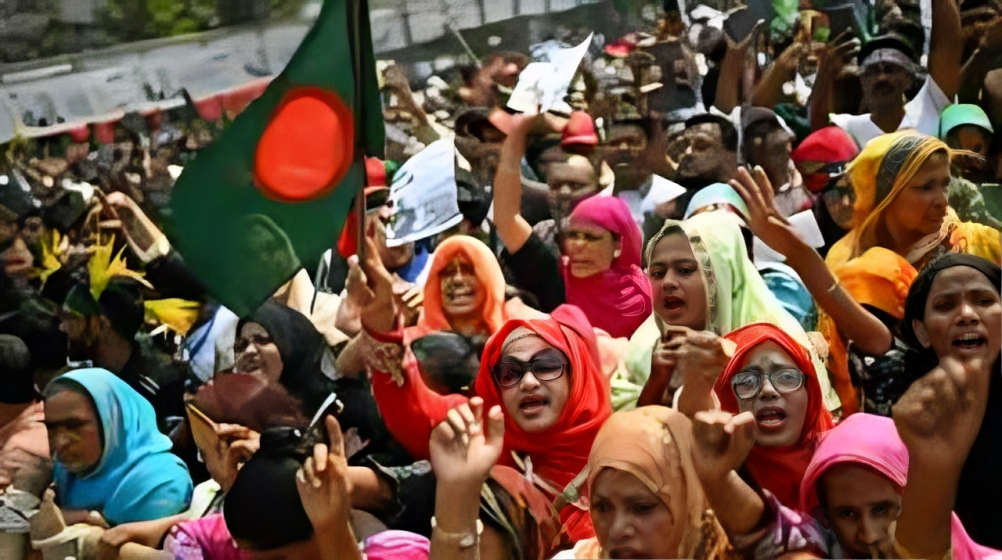
Bangladesh participates in its initial general election after Sheikh Hasina lost power through a student-led uprising which occurred in August 2024 and ended her 15-year regime. The protests which started as demonstrations against public sector job quotas turned into the most deadly political violence in Bangladesh history after independence, resulting in more than 1000 deaths and creating permanent changes to the country’s political system.
The 2026 polls mark a crucial milestone for the Muslim-majority nation which has a population of 170 million people because 127 million voters will select 350 lawmakers. The following section presents a summary of the main developments.
- First Election After Hasina’s Ouster
The 2026 election follows the fall of Sheikh Hasina’s government in August 2024 after weeks of nationwide protests. The political protests which broke out across Bangladesh led to the dismantling of one of South Asia’s oldest political parties while changing the entire power system of Bangladesh.
- Scale of the Democratic Exercise
Voters will select 300 lawmakers through direct election who will occupy 50 seats which have been reserved for women. More than 50 political parties and over 2,000 candidates are contesting. The European Union observers identified this event as the largest democratic event of 2026 which occurs throughout the world.
- How the 2024 Uprising Changed Politics
The public sector job quota reform movement started when students began protesting in July 2024. The protests evolved into a nationwide anti-government revolt, met with forceful crackdowns. Hasina left her position on August 1 and went to India.
The Awami League party lost its ability to compete in the election after its former control of power ended, thus creating a new political situation.
- Interim Government Under Muhammad Yunus
Nobel Peace Prize winner Muhammad Yunus who is now 85 years old returned to serve as the leader of a temporary government which took power after Hasina departed. He described the inherited governance system as “completely broken” and pledged democratic reforms before handing over power to an elected administration.
- A Referendum on Constitutional Reform
Citizens are currently participating in a referendum which will decide on major constitutional changes that will accompany parliamentary voting under the proposed “July National Charter” amendment.
The main proposals include
The prime minister should face term limits.
The parliament should establish an upper house.
The president should receive additional powers.
Judicial systems should gain more operational independence.
Supporters of the reforms believe these changes will stop any future threats of dictatorship, while critics demand better constitutional protections.
- BNP Positioned for a Comeback
The Bangladesh Nationalist Party (BNP) which Tarique Rahman leads now stands as a top contender. Rahman returned to Bangladesh in December after spending 17 years in self-imposed exile.
Rahman accused the past government of destroying the economy while he promised to bring economic recovery and create new jobs.
According to opinion polls, BNP has emerged as the leading party although some projections show the competition remains close.
- Jamaat-e-Islami’s Resurgence
Jamaat-e-Islami regained its right to participate in elections when the Supreme Court made a decision in 2025, which brought an end to the party’s previous election ban. The party is now establishing itself as a formidable political challenger.
The leader of the party, Shafiqur Rahman, has made anti-corruption and social welfare his main priorities for establishing a more positive public perception of the party. The party’s election performance will affect which political party will form the next government in Bangladesh, which maintains its secular constitutional status.
- Awami League’s Absence
Sheikh Hasina received a death sentence after her charges related to the 2024 crackdown were handled through an absentia trial. The Awami League party has been prohibited from taking part in the election which some rights organizations have criticized.
The Awami League received 222 seats in the January 2024 election, which followed a period of low voter participation. The absence of this party has altered electoral conditions and increased political conflict because of the current political situation.
- Security and Violence Concerns
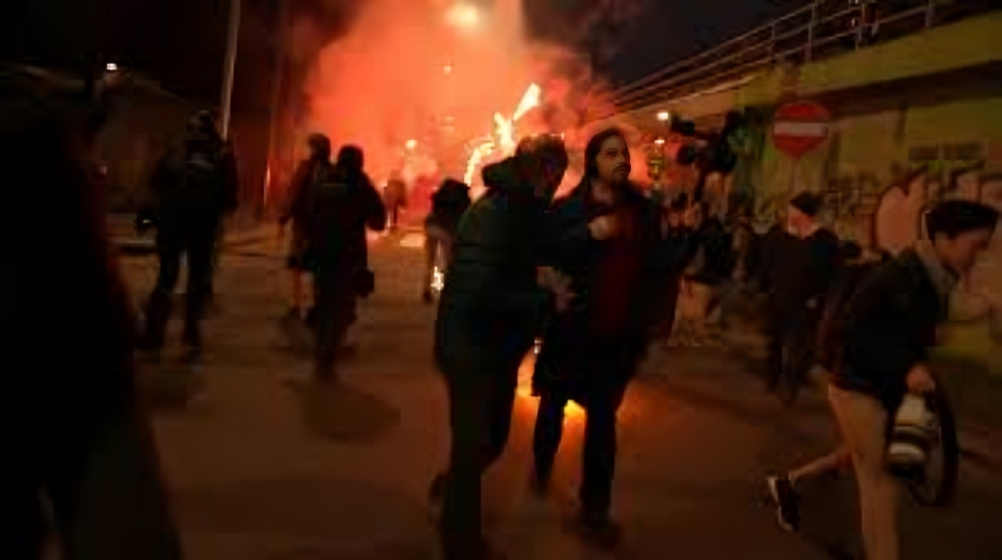
The government has sent more than 300000 security forces throughout the country because of growing unrest concerns. The rights organization reports that between August 2024 and December 2025 political violence resulted in 158 fatalities and 7000+ injuries.
UN experts report that first-time voters face increasing risks of intolerance and disinformation which are being widely distributed throughout the voter population.
- A Young Electorate and Global Stakes
Millions of voters who will cast their first vote have a median age of about 25 years. Voter turnout is expected to be significantly higher than the roughly 25% recorded in January 2024.
The election results will directly affect relations between different regions. Bangladesh has strengthened its ties with China and Pakistan, while relations with India have become worse since Hasina left office.
The next government
Votes are counted manually, with results expected to emerge over several hours after polling closes. The referendum outcome will also signal whether voters back structural reforms to reshape Bangladesh’s political system.
As interim leader Muhammad Yunus said ahead of polling: the election will determine “the future direction of the country, the character of its democracy, its durability, and the fate of the next generation.”