
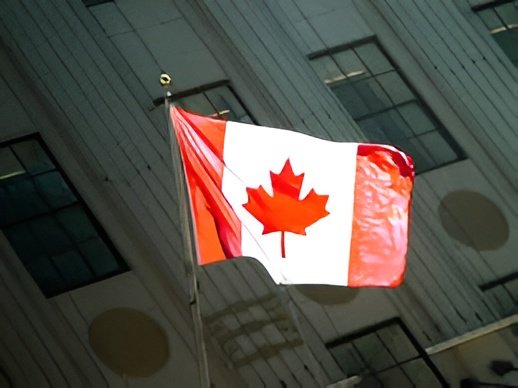
Canada has made major changes to its citizenship policies, which not only imported wider eligibility but also recognized the loss of citizenship in the past due to stringent laws again for some people.
The newly introduced regulations are now in effect as of Monday and in accordance with the announcement made by Immigration, Refugees, and Citizenship Canada (IRCC), the Canadian citizenship can be granted to the kids born abroad to the Canadian parents but only if certain conditions are met. One of the stipulations that the new law imposes is that the parents need to have resided in Canada for at least three years to be able to transmit their citizenship to the infants born to them outside Canada.
The government said the changes are expected to benefit thousands of people who were previously denied citizenship under older regulations, including many families of Indian origin. IRCC clarified that individuals born before December 15, 2025, or those who lost citizenship due to earlier rules, will now be recognised as Canadians and can apply for official proof of citizenship.
The reform addresses long-standing concerns linked to the “First Generation Limit”, a rule in place since 2009. Under that provision, children born or adopted outside Canada were eligible for citizenship only if at least one parent was born or naturalised in Canada. Consequently, a large number of individuals lost their citizenship status.
An Ontario court in 2023 found the First Generation Limit to be unconstitutional. The ruling was accepted by the Canadian government, which decided not to appeal. Subsequently, the citizenship law was revised via Bill C-3, facilitating the most recent changes intended to enhance the inclusiveness and fairness of the system.