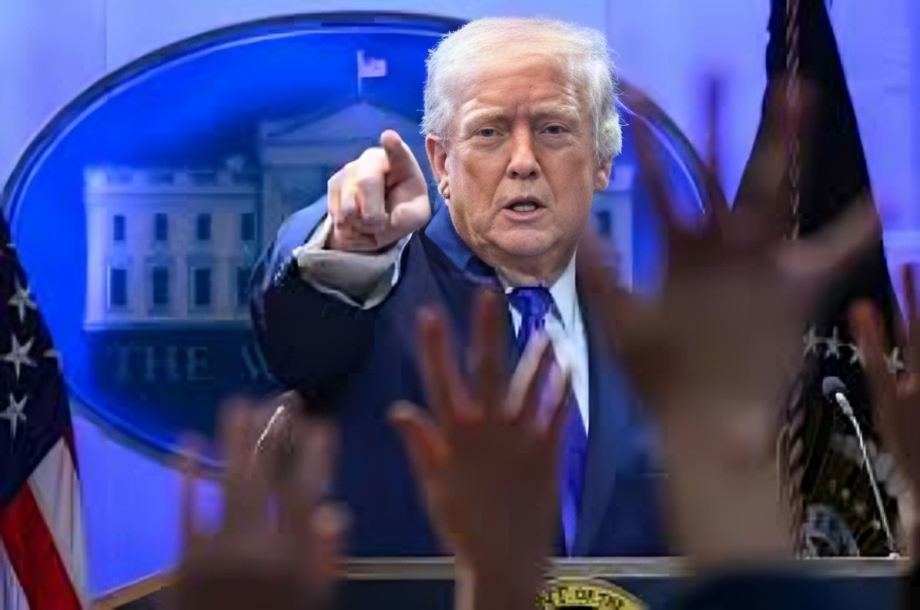
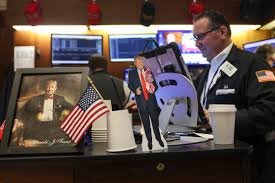
The opening of the week for global financial markets was filled with uncertainty, as President Donald Trump’s rebirth of the idea of buying Greenland caused a ripple effect of uncertainty through stocks, currencies, and investor sentiment.
Asian and European equity markets retreated, whereas US futures indicated a careful start on Wall Street. The investors who were worried had to face not only the slowing global growth and persistent inflation issues, but also the possibility that Trump’s Greenland strategy could result in a more severe confrontation with Europe, both diplomatically and commercially.
The dollar, which is typically a safe-haven investment during geopolitical unrest, was uncertain of its fate. It was still powerful compared to some currencies of the emerging markets, but it got weaker versus the euro and the Japanese yen as the traders re-evaluated the possible economic impact of the rising tensions across the Atlantic.
Markets React to Geopolitical Shock
The quick response from the market showed that there was more anxiety than panic. Analysts pointed out that Trump’s remarks — along with the threats of tariffs on Denmark and other countries in Europe — brought back memories of the era of trade wars, where the unpredictable changes of policies led to drastic fluctuations in global markets almost every time.
“Investors are not so much concerned with Greenland but with the message this situation sends,” a senior market strategist at a European investment firm stated. “The worry is about the revival of unpredictability in US foreign and trade policy which is something the markets usually dislike.”
The European stock markets’ most significant loss was in the export-heavy sectors, particularly in the case of industrials and automobiles whose imposition of tariffs would make them the most vulnerable. Besides, the bank stocks decreased too since the geopolitical risk usually makes investors less willing to take on the risk associated with the assets.
Dollar and Bonds Send Mixed Signals
The dollar’s irregular performance in currency markets threw a spotlight on investor doubts. The greenback could not initiate a strong rally, which meant that the markets were not yet considering a major crisis but were becoming more and more cautious of the volatility caused by the policies.
US Treasury yields declined slightly, which was a signal of a slight retreat to security. It looked like bond investors were taking precautions against the possibility that the strained relations between nations might hurt the growth of the world economy or make the global trade outlook uncertain.
The price of gold went up a notch, taking advantage of its usual position as protector against a risk of geopolitical and policy nature.
Investors Eye Next Moves
Market players are now very attentive to Washington and European communications that might indicate direct actions coming instead of just verbal exchanges. Anything that would raise tensions, especially the introduction of tariffs or counteractions, might worsen the decline in the markets and increase the dollar’s weakness.
For now, many fund managers are choosing caution over conviction. “This isn’t just about one headline,” said a US-based portfolio manager. “It’s about the return of a style of policymaking that injects uncertainty into everything from trade flows to currency stability.”
As geopolitical risk re-enters the spotlight, investors are bracing for choppier trading sessions ahead, aware that in today’s markets, political gambits can quickly translate into financial turbulence.