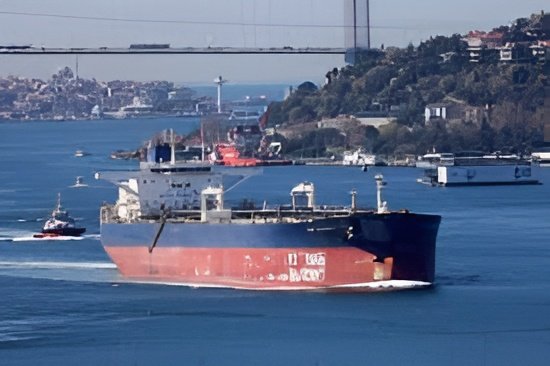
After missile strikes on two tankers near Oman disrupted oil transportation through the Strait of Hormuz global oil prices increased by almost 10% to reach $80 per barrel.
The attack left a tanker ablaze as it approached the narrow passage that connects the Gulf to the Arabian Sea. Analysts warn that if shipping through the strait is disrupted for a prolonged period then crude prices will rise toward $100 per barrel or even exceed that mark. Investment banks including Goldman Sachs and Barclays have issued bullish forecasts which include some projections that reach $110.
Why the Strait Matters to Global Energy
The Strait of Hormuz controls approximately 20% of worldwide daily oil shipments which equals 20 million barrels. Any disruption sends immediate shockwaves through global markets.
Tankers now face higher insurance costs because war-risk premiums have increased significantly. The major shipping companies including Maersk have stopped their operations through this route while some vessels now begin to reroute their paths or return to their starting points.
India Faces High Exposure to Gulf Supplies
India faces significant risks from the situation. Gulf producers supply approximately 50% of India’s crude imports which amounts to 2.5 to 2.7 million barrels per day from Iraq Saudi Arabia Kuwait and the UAE who all use the Hormuz route.
India imports nearly 85% of its total energy needs. The vulnerability extends beyond crude oil.
The Gulf supplies about 60% of the world’s liquefied natural gas (LNG) supplies.
The region provides approximately 80 to 85% of the world’s liquefied petroleum gas (LPG) supply.
India does not have sufficient LPG reserves for strategic storage purposes.
Industry analysts forecast that LNG prices will increase by 25% if shipping constraints continue to exist.
Market Impact May Be Limited — For Now
Analysts believe that the market will experience an oil shock at some point yet it will not happen within the next few months. Several factors are cushioning the impact:
Global supply currently exceeds demand
U.S. shale production has significantly increased global output
Spring typically brings weaker seasonal demand
China has built large strategic petroleum reserves
Additionally, the OPEC Plus group has announced plans to increase production by about 206,000 barrels per day from April, though the increase is relatively small compared with potential losses if Hormuz traffic is disrupted.
India’s Contingency Plans
If supplies tighten, India has several fallback options:
- Increase purchases of Russian crude via eastern shipping routes that bypass Hormuz
- Acquire diverted cargoes already at sea
- Tap commercial stocks, which currently cover 10–15 days of demand
- Use refined fuel reserves for an additional 5–7 days
Higher global prices could also benefit Russia, which continues exporting oil despite sanctions.
Shipping and Trade Disruptions Growing
The crisis is already reshaping shipping patterns. Japanese carrier NYK has halted Hormuz transits, while several tankers have altered routes to avoid the conflict zone. Rising insurance costs and safety concerns may further reduce traffic if tensions persist.
Outlook: Much Depends on Hormuz
So far, major oil infrastructure has not been directly targeted, and the strait remains open. However, traders say the situation remains highly volatile.
As long as the Middle East conflict continues, global energy markets — and countries like India that rely heavily on Gulf supplies — will remain closely tied to one critical question: Will oil continue to flow through the Strait of Hormuz?