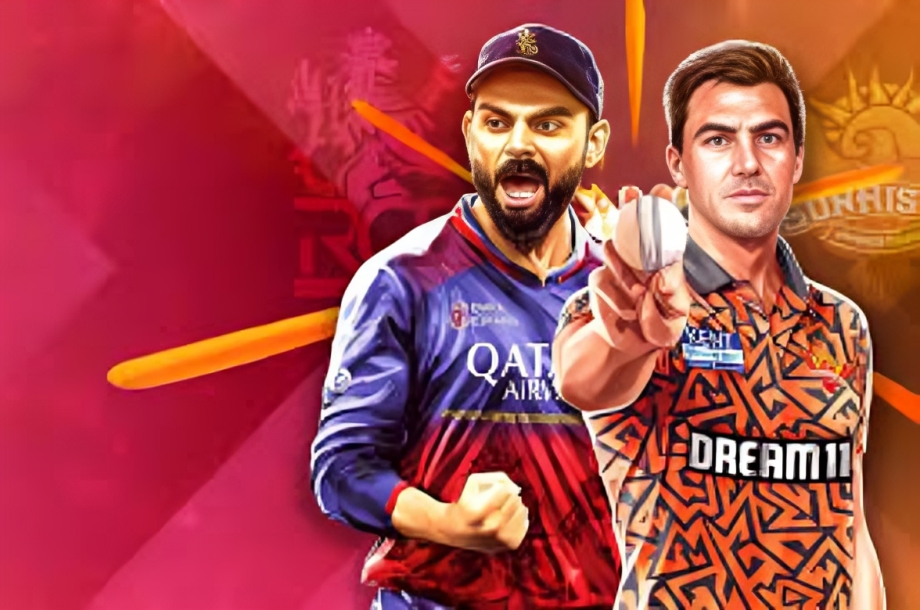

The Royal Challengers Bengaluru (RCB) franchise is officially on the market, marking one of the biggest shake-ups in Indian cricket business. United Spirits Limited (USL), a subsidiary of global liquor giant Diageo PLC, has initiated a strategic review and confirmed that it plans to sell its stake in the popular IPL team before the 2026 season.
In a letter to the Bombay Stock Exchange (BSE) this week, USL announced it is seeking investors for its sports arm, Royal Challengers Sports Private Limited (RSPL), which owns both the men’s and women’s RCB teams. The company expects the sale process to be completed by March 31, 2026.
“RCB remains a valuable and strategic asset, but it is not core to our alcobev business,” said USL CEO and MD Praveen Someshwar, confirming that the franchise is being reviewed for divestment.
Potential Buyers and Market Buzz
Speculation is rife that major Indian and international investors are lining up to acquire the iconic franchise. Reports suggest that Adar Poonawalla, CEO of the Serum Institute of India, has shown strong interest — with social media abuzz over a potential ₹17,000 crore bid.
Business heavyweights like Parth Jindal (JSW Group), the Adani Group, and a prominent Delhi-based industrialist are also believed to be in the race. Two U.S.-based private equity firms have reportedly expressed interest as well.
Notably, Adar’s father, Dr. Cyrus Poonawalla, had previously bid for an IPL franchise during the league’s 2010 expansion, though Sahara and Rendezvous Sports ultimately secured the teams.
RCB’s Journey So Far
The RCB franchise was originally purchased by Vijay Mallya in 2008 for $111.6 million (₹76 crore). After Mallya’s financial troubles in 2016, Diageo took full control of RCB through its acquisition of USL. Since then, RCB has been managed under Royal Challengers Sports Private Limited.
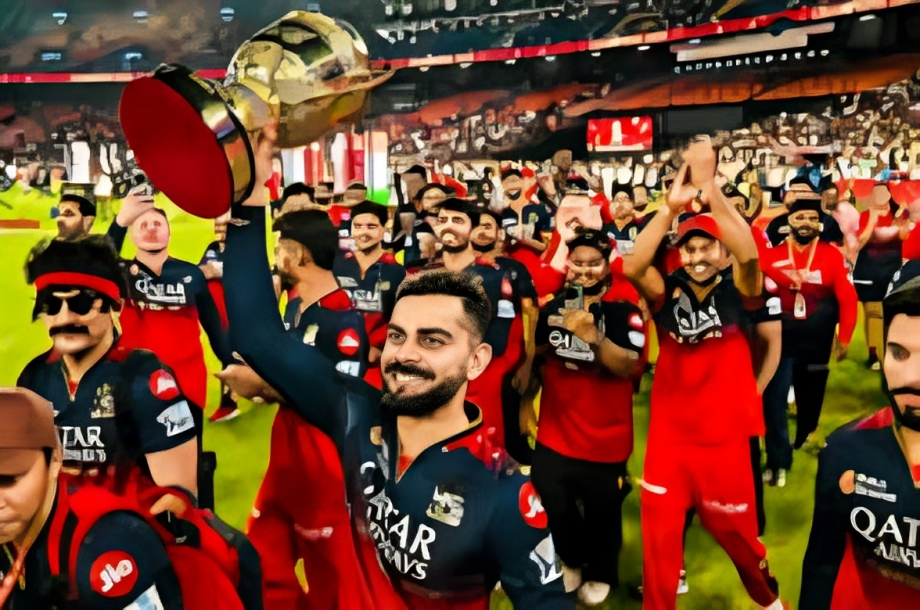
After years of heartbreaks, RCB finally lifted their maiden IPL title in 2025, making this ownership change even more significant in the team’s history.
As RCB heads into IPL 2026, fans and investors alike will be watching closely to see who takes charge of one of the league’s most beloved — and now, most valuable — franchises.