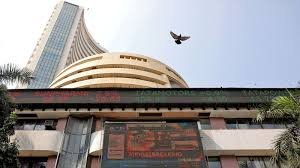
India’s stock markets have always been a source of excitement, confusion, and sometimes anxiety for investors. On days when the GDP numbers are strong, jobs are growing, and inflation is under control, many expect the Sensex and Nifty to surge. Yet, surprisingly, the markets often drop — leaving many wondering: Why would stocks fall when the economy is doing well?
Here’s a simplified look at why this happens.
📌 Stock Market ≠ Economy (At Least Not Immediately)
While the economy represents real-world activity — businesses expanding, people earning, goods being produced — the stock market reflects investor expectations about the future.
So even if today’s data looks strong, markets may fall if investors worry that:
- Growth won’t last
- Earnings may weaken
- Interest rates may rise
- Global uncertainties may hit valuations
In short: the market reacts to expectations, not just current conditions.
📌 Earnings Expectations Drive Stock Prices
Companies listed on Sensex and Nifty are valued based on future earnings, not present revenue.
If analysts think corporate profits may slow — even slightly — prices can fall.
For example, if tech stocks report weaker margins or export-heavy companies face global slowdowns, their valuations drop, dragging the index down.
📌 Global Factors Often Dominate the Mood
Stock markets are deeply connected. A positive Indian economy cannot fully protect the market when global concerns rise — such as:
- US Federal Reserve interest rate hikes
- Middle East conflicts affecting oil prices
- Weak global demand
- Recession fears in Europe or China
So, bad news far away can still cause the Sensex to slip.
📌 Interest Rate Jitters
When the economy grows fast, central banks sometimes raise interest rates to control inflation. Higher interest rates make borrowing costlier and reduce spending.
Investors then shift money from stocks to safer options like bonds — causing market declines.
📌 Profit Booking & Market Sentiment
Sometimes the reason is simpler: investors take profits after big rallies.
Markets also move on emotions:
- Fear
- Greed
- Uncertainty
- Rumors
A single statement from a central bank or finance ministry can trigger sudden sell-offs.
📌 Economic Growth Benefits Are Not Always Even
A growing economy doesn’t guarantee that every sector or company grows at the same pace. Sometimes:
- Banks may struggle with non-performing loans
- IT firms may face global slowdown
- FMCG companies may see margin pressure from higher raw material costs
So while the economy grows broadly, stock-specific weaknesses can pull indices down.
So, Should Investors Worry?
Not necessarily.
Short-term volatility is normal. Historically, both Sensex and Nifty have shown a consistent upward trend over the long term — even with periodic drops.
Experts recommend focusing on:
✔ Long-term investing
✔ Diversification
✔ Strong fundamentals
✔ Controlled emotions
Bottom Line
A growing economy doesn’t always mean a rising stock market — at least not immediately. Markets move on expectations, emotions, global trends, and earnings forecasts.
So, the next time Sensex or Nifty falls despite positive economic headlines, remember: markets are forward-looking — they’re reacting to tomorrow, not just today.