Indian benchmark indices experienced a sudden market sell-off during the Monday morning session after the Sensex dropped more than 1,850 points and the Nifty 50 declined past 23,900. The market crash occurred because of increasing geopolitical conflicts in the Middle East and rising crude oil prices which resulted in investors avoiding risks throughout both global and domestic financial markets.
Market Operations Face Significant Challenges
Indian equities experienced widespread selling because all major sectoral indices showed negative performance. The market decline started with banking stocks and auto stocks and PSU bank stocks because investors showed caution. The metals and media and real estate sectors showed substantial market declines.
Defensive sectors including FMCG and IT and pharmaceuticals experienced a declinebut their drop was less severe than the decrease seen in cyclical sectors.
Key Reasons Behind the Market Crash
Several factors contributed to the sharp fall in Indian markets on Monday:
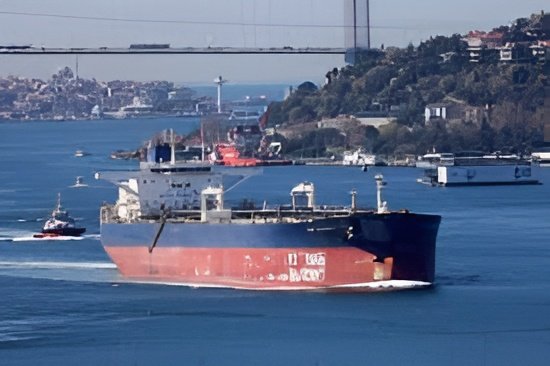
Crude oil prices surged above $100 per barrel which created inflation worries.
The Middle Eastern conflict between Iran and Israel and the United States saw an escalation during the weekend.
The Indian rupee depreciated beyond the ₹92-per-dollar threshold which created difficulties for sectors that depend on imports.
Equities become less appealing as bond yields increase.
Foreign Institutional Investors (FIIs) continued their selling activities which created negative effects on investor feelings.
Asian markets and international market indexes experienced a market decline.
The Middle East conflict creates economic worries which affect India’s macroeconomic forecast.
Global Markets Also Slide
Global markets reflected the risk-off sentiment:
S&P 500 futures fell 2.2%
Nikkei 225 futures dropped 7.4%
Japan’s Topix index declined 5.8%
Australia’s S&P/ASX 200 slid 4.3%
Hong Kong’s Hang Seng fell 2.9%
Shanghai Composite dropped 1.3%
Euro Stoxx 50 futures slipped 2.8%
SBI Loses Over ₹62,000 Crore in Market Value
Shares of State Bank of India (SBI) tumbled nearly 5.6%, wiping out around ₹62,350 crore in market capitalization amid the broader market sell-off. The decline pushed the bank’s valuation below the ₹10 lakh crore mark.
Despite the drop in share price, SBI recently reported strong financial results, including a significant increase in net profit during the December quarter.
Oil Marketing Stocks Fall on Crude Price Surge
Shares of oil marketing companies such as Indian Oil Corporation (IOCL), Hindustan Petroleum (HPCL), and Bharat Petroleum (BPCL) declined sharply, falling by as much as 9% after brokerage firm UBS downgraded the stocks following the spike in crude oil prices.
Gold Prices Decline as Dollar Strengthens
In the commodities market, gold prices dropped around 1.5% as the U.S. dollar strengthened to a three-month high. A stronger dollar typically makes bullion more expensive for holders of other currencies, reducing demand.
- Spot gold fell to $5,091.02 per ounce
- U.S. gold futures slipped 1.2% to $5,097.40
- Silver declined 1.5% to $83.09 per ounce
- Platinum fell 1.1%, while palladium dropped 1.4%
IPO Market: Rajputana Stainless Issue Opens
Meanwhile, the Rajputana Stainless IPO opened for subscription on Monday. The public issue aims to raise around ₹255 crore and is priced between ₹116 and ₹122 per share. The IPO will remain open for bidding until March 11, with grey market indicators suggesting modest listing gains amid cautious market sentiment.