
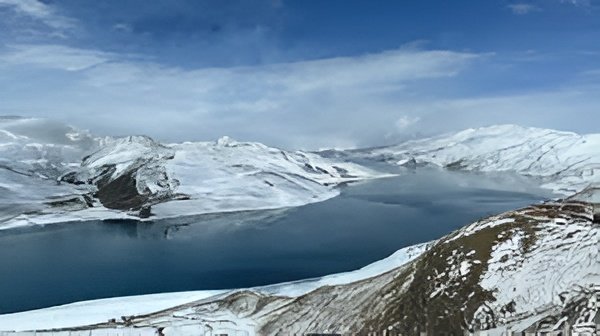
Tibet, the Land of Snow, is acknowledged all over the world for its great heights, freezing winds, and white landscapes. The mountain’s very high altitude, the absence of warm temperatures throughout the year, and the cultural background are main factors in defining this exceptional character.
Why Tibet Is Called the Land of Snow
Tibet is given the title owing to its very low temperatures, long winters, and large areas of snow that cover the mountains, plateaus, and valleys. In fact, snow is still a very important element of the region’s geography, culture and lifestyle.
Where Is the Land of Snow Located?
Tibet is located on the Tibetan Plateau, which is the highest plateau in the world, surrounded by the Himalayas and containing some of the highest mountains on earth, including Mount Everest. The very high altitude of Tibet maintains the cold temperatures all over the year.
Climate: Long Winters, Low Oxygen, Harsh Winds
The region experiences:
- Extended winters
- Thin air with low oxygen
- Dry, windy conditions
- Persistent cold even in summer
Because high altitudes lose heat quickly, sunlight does little to warm the land, allowing snow and ice to remain for months at a time.
Why Tibet Stays Snowy Most of the Year
That’s why the region has continued to be snow-covered even after winter is over, the atmosphere in Tibet which is mainly above 4,000 meters cannot hold the heat. Consequently, there is a fast loss of heat, the temperature drops, and the freezing cold prevails on the ground.
Popular Snowy Regions in Tibet
Tourists frequently visit:
- Lhasa
- Shigatse
- Mount Kailash
- Regions near Mount Everest
These destinations are known for glaciers, frozen lakes, and panoramic high-altitude views.
Snow-Covered Mountain Ranges
The area boasts a magnificent view of snow-capped mountains and several Himalayan ranges, which are considered the most famous ones in the world. These lofty mountains hold snow all year round, thus making Tibet’s frosty character even stronger.
Interesting Facts About the Land of Snow
- Highest region on Earth:
Most of Tibet lies above 4,000 metres, resulting in freezing temperatures. - Birthplace of major rivers:
Glaciers here feed the Indus, Brahmaputra, Mekong, and Yangtze rivers. - Winters dominate the calendar:
The cold season can last six months, while summers stay short and cool. - Extreme cold settlements:
Several Tibetan villages are among the coldest inhabited places in the world. - Traditional clothing suits the climate:
Wool layers, yak fur coats, and high boots help residents survive harsh winters.
Conclusion
Tibet is often referred to as the Land of Snow mainly due to its perpetual chill, snow-covered peaks, glaciers, and a high-altitude climate. Besides, its fauna, scenery, and cultural practices have contributed to it being one of the most extraordinary snow places on earth.