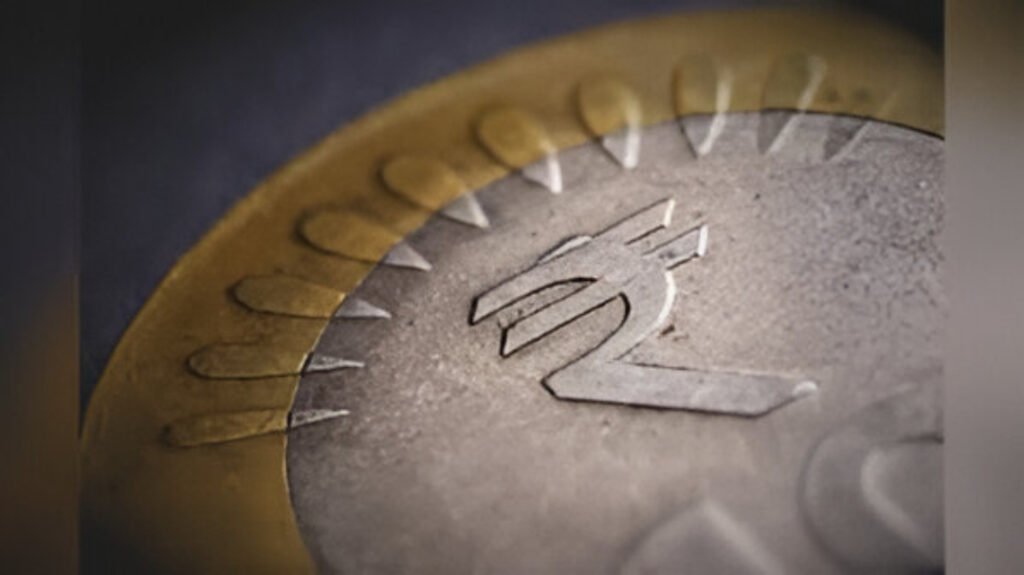
The Indian rupee opened weaker at the rate of 89.90 to a US dollar during the morning session of Thursday, January 8, 2026. It lost its value by 3 paise due to the global crude oil prices increase and the slow foreign capital inflow.
Currency traders reported that the dollar’s strength and the poor performance of the stock market at home were the main reasons for the rupee’s decline. At the interbank foreign exchange market, the rupee started trading at 89.96 against the dollar but soon went up slightly to 89.90, which was still lower than its previous closing rate.
The Indian rupee on Wednesday went up by 31 paise and closed at the rate of 89.87 to a dollar. The rise was due to the drop in crude oil prices and the suspected intervention of the Reserve Bank of India (RBI).
Anil Kumar Bhansali, Treasury Head and Executive Director at Finrex Treasury Advisors LLP, said the RBI seemed to maintain a dollar-rupee exchange rate cap at 90.30. He pointed out that the RBI sold dollars at the rate of 90.22 on Wednesday, in spite of the ongoing demand from foreign portfolio investors and importers. He believes that the dollar may have limited upward movement, but the rupee could rise to 89.50 if the RBI intervention continues.
As of now, the dollar index, which indicates the dollar’s strength against a group of six major currencies, has been slightly up by 0.01% reaching 98.69.
In the futures market, Brent crude, the global oil reference price, has gone up by 0.38% to $60.19 per barrel, thus putting more pressure on the Indian rupee.
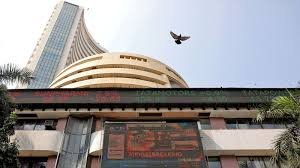
The main stock indexes were down in the stock market sector, with BSE Sensex losing 255.86 points and falling to 84,705.28, while NSE Nifty fell 65.9 points to 26,074.85 during the morning session. The exchange’s data showed that foreign institutional investors sold shares worth ₹1,527.71 crore on Wednesday, which exacerbated the selling pressure in the market.