
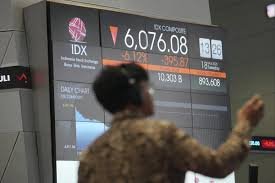
After Southeast Asia’s largest economy suffered a market downturn that destroyed almost $80 billion in two days Indonesian authorities acted to restore investor trust.
The market turmoil began when index provider MSCI issued a warning which identified problems with Indonesian equities through their ownership structures and trading transparency. The Jakarta Composite Index dropped more than 8% through two trading sessions which led to a trading suspension that lasted until regulators announced corrective actions.
Foreign investors have been pulling money out of Indonesian assets amid broader worries over a weakening rupiah, rising fiscal deficit and perceived erosion of central bank independence under President Prabowo Subianto’s administration. The appointment of his nephew Thomas Djiwandono to the central bank together with the previous dismissal of former finance minister Sri Mulyani Indrawati created market instability that drove the rupiah toward historic lowest values.
Regulatory steps spark modest rebound
The market showed initial stabilization after regulators implemented their plan which included increasing the minimum free-float requirement for listed companies to 15% and establishing better disclosure requirements. The Jakarta Composite Index finished the day with a 1% decline after it had recovered from its deeper intraday losses, while the rupiah maintained its value at approximately 16,745 per dollar.
OJK chairman Mahendra Siregar reported that MSCI discussions had produced positive results for both parties while authorities awaited MSCI feedback about proposed reforms which could begin implementation within weeks. He expressed hope that outstanding issues would be resolved by March.
According to analysts market sentiment will remain unstable until actual improvements in transparency and policy clarity start showing up in the market according to their research.
Bank downgrades add to pressure
The global investment banks raised their pressure because they changed their predicted financial results. After the MSCI warning, Goldman Sachs and UBS lowered their rating for Indonesian stocks because they believed that a downgrade would result in more investors leaving the market. Goldman Sachs estimated that up to $7.8 billion could exit the market in a worst-case scenario, though it described such an outcome as unlikely. UBS cut its rating to “neutral”.
A downgrade by MSCI would have significant implications, as trillions of dollars track its indexes, which would result in both passive and active funds needing to decrease their investments.
Fund managers maintained that the regulatory response showed authorities had stationed their intent to follow proper procedures while establishing confidence with their actions. The investors needed more time to regain trust according to the team, who warned that consistent policy implementation was essential for rebuilding faith in the market.
Foreign investors sold nearly 14 trillion rupiah worth of Indonesian shares in 2025, which marked the biggest yearly outflow since 2020, according to market data that showed selling pressure continued into January.




Vijay Is Not One to Be Intimidated: Father Speaks Out on ‘Jana Nayagan’ Controversy