
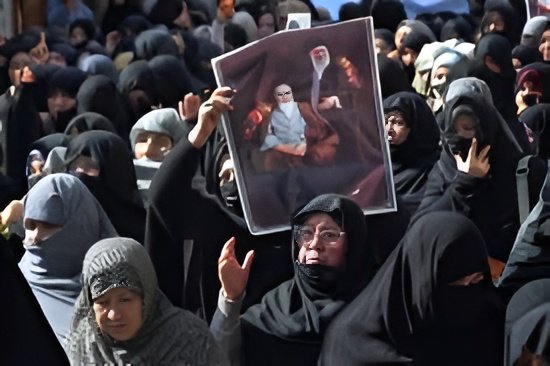
The United States and Israel conducted a massive aerial and naval operation which targeted Iranian missile sites and military bases and maritime facilities on March 1. The operation takes place after the assassination of Iranian Supreme Leader Ali Khamenei which has escalated regional tensions throughout the Middle East.
Multiple Iranian cities erupted with explosions which residents described as creating massive smoke clouds that covered the city of Tehran. Iranian officials declared that their military operations have resulted in more than 200 deaths since the beginning of the airstrikes.
Regional Conflict Widens Beyond Iran
The conflict quickly spread beyond Iran, Israel, and U. S. forces. Iran launched retaliatory missile attacks on Israel and several Gulf countries. Israeli authorities reported strikes in multiple locations, including Jerusalem and Beit Shemesh, where casualties were confirmed.
Iranian-backed groups also entered the fray. The Shia militia Saraya Awliya al-Dam claimed responsibility for a drone attack targeting U. S. troops at Baghdad International Airport. Hezbollah launched missiles at Israel while Israeli forces conducted airstrikes in Beirut’s southern suburbs.
The Gulf nations United Arab Emirates and Kuwait and Bahrain reported civilian deaths and infrastructure destruction after Iranian missiles and drones attacked locations near United States military installations.
Heavy Military Response from Washington and Tel Aviv
The U. S. military deployed B-2 stealth bombers to strike Iranian missile infrastructure using heavy bunker-buster munitions. President Donald Trump announced through social media that Iranian naval warfare vessels had suffered destruction while the nation lost most of its maritime command center.
The president who once promised to decrease American military presence abroad has now ordered major military operations in his overseas conflict with Iran.
Trump Open to Dialogue with New Iranian Leadership
Trump expressed his intention to start diplomatic negotiations with Iranian leadership despite the ongoing military operations.
The statement he made during the interview showed that he wanted to talk with others while he had already given his consent to hold discussions.
The Iranian government announced that its leadership council has started operational activities while they expect to choose a new supreme leader within the next few days.
Civilian Impact and Tensions Inside Iran
Residents in Tehran remained inside their homes because air raid sirens and explosions continued throughout the city. Security forces established checkpoints which they distributed throughout the entire city. State media reported that critical infrastructure suffered damage which included essential components of the national broadcasting complex.
Reports from southern Iran confirmed that multiple civilians died when a school was hit by an airstrike. The investigation of the incident remains active at this time.
International Response and Risk of Wider War
The three European powers of Britain France and Germany announced their readiness to support American efforts which aim to stop further Iranian attacks. Gulf states issued a warning that they possess the right to take action against any destructive strikes which occur on their land.
The death of Khamenei who had ruled Iran since 1989 created a power void which experts believe will lead to enduring regional instability.
The global leaders who witness escalating military conflicts which include new parties entering the fray now demand that all parties practice restraint despite the growing chance of a regional conflict.



BTS’ Jungkook Sparks Buzz With Candid Live Broadcast, Opens Up About Smoking, Career Pressures
After Jungkook from BTS conducted a surprise live broadcast he shared details about his personal life and career pressures and his management relationship which resulted in fans responding to his disclosure. Unfiltered Interaction With Fans The