Semiconductors have transformed from their previous role as small components that operated inside electronic devices to become essential elements which now drive global economic development. Chips which people refer to as the “new oil” function as the energy source for all devices including smartphones electric vehicles defense systems and artificial intelligence applications and space technology. Countries across the world are now racing to secure their semiconductor supply chains, and India is determined not to be left behind.
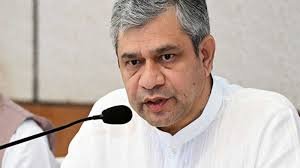
Union Minister for Electronics and Information Technology Ashwini Vaishnaw spoke at IBP 51 to explain semiconductor technology as the essential element which India needs for its economic and strategic development. He demonstrated that current control over chip manufacturing operations serves as the primary factor which determines future technological domination.
Why Semiconductors Matter More Than Ever
The worldwide semiconductor supply chain system demonstrated its extreme vulnerability when the COVID-19 pandemic occurred together with subsequent geopolitical conflicts. The world experienced defense readiness problems because the production stoppage affected automotive manufacturing and delayed electronic production. The disruption showed that countries need to develop domestic production capabilities because essential resources cannot be obtained through imports.
Semiconductors have become complete strategic assets for countries which now regard them as more than commercial products. The world now sees semiconductors as essential assets which countries use to gain competitive advantages similar to the way they used oil during the twentieth century.
India’s Current Position
India has established itself as a leading force in chip design and software development because the country possesses many skilled workers who serve international semiconductor companies. The industry creates a gap in its operations because manufacturing stands as the most difficult and expensive section of its entire framework.
That is now changing.
The government has declared semiconductor production incentives which will cost billions to attract international chip manufacturers through the India Semiconductor Mission. The major projects which include fabrication plants and packaging units and display manufacturing facilities are currently in different stages of their approval and development process.
Ashwini Vaishnaw explained that India is constructing a complete semiconductor ecosystem which includes design and fabrication and assembly and testing and packaging processes.
Government Push and Industry Confidence
The Centre’s strategy unifies three elements which include policy stability and financial incentives and infrastructure development. States are competing to host semiconductor facilities by offering land and power subsidies and logistics support. The united effort has attracted interest from both international and local companies.
The minister explained that India possesses an advantage because of its extensive market and skilled workforce and rising demand for electronics which results from digitalization and electric mobility and 5G deployment.
Challenges Ahead
The current situation shows progress, but obstacles still exist. Semiconductor fabrication facilities need different resources which include high capital funding, continuous electricity supply, and extremely pure water, along with specialized technical knowledge. The established semiconductor manufacturing centers of Taiwan, South Korea, and the United States present a significant challenge to our efforts.
The semiconductor industry needs both enduring dedication from supporters and ongoing governmental assistance for its development because it requires multiple years before yielding financial returns.
The Road Forward
India aims to establish itself as a reliable worldwide center for semiconductor production and research development. The country has the potential to decrease its import requirements while establishing itself as an international chip supply chain partner if it successfully implements its existing plans.
Ashwini Vaishnaw explained at IBP 51 that semiconductors serve a dual purpose which includes technological development but also protects economic security and gives India the ability to control its future international presence.