
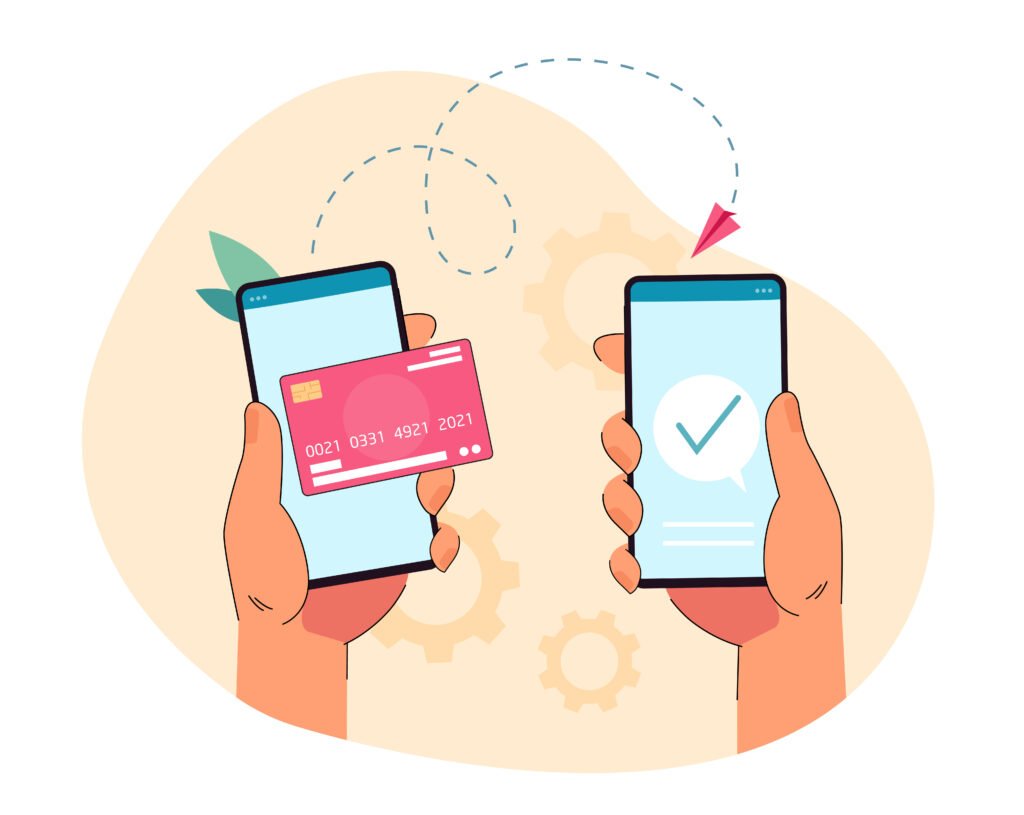
In a significant advancement of digital payments without any friction, the Indian government along with the NPCI are upgrading the UPI and this will be a drastic change by eliminating PIN entirely for the transactions. Users will soon be able to approve UPI movement through image and fingerprint verification; thus, making the process quicker, safer, and more natural.
The Big Change: From Standard to Biometric Authentication
At present, a 4 or 6-digit PIN is mandatory to confirm every UPI movement. Although this is a secure way of processing it, there are times when it slows down the transaction or makes it erroneous if the user forgets the PIN.
The new system aims to solve that. With biometric verification, UPI will integrate with Aadhaar-based authentication and mobile device sensors — allowing users to confirm transactions instantly through:
- Facial recognition via the phone’s front camera.
- Fingerprint scanning through the device’s biometric sensor.
This means that your face or fingerprint becomes your UPI PIN — ensuring top-tier security while maintaining user convenience.
How It Works in Practice
- Initiate a Payment: Open your UPI app (like PhonePe, Google Pay, Paytm, or BHIM).
- Choose Biometric Option: Instead of entering a PIN, select the biometric verification option.
- Authenticate Instantly: The app uses your device’s facial or fingerprint data to verify identity.
- Transaction Complete: Once verified, the payment is processed immediately.
The process takes only a few seconds — eliminating manual PIN entry while ensuring that only the authorized user can complete the transaction.
Why This Matters
Experts are of the opinion that the implementation of biometric authentication will make UPI more user-friendly and secure for those having trouble PINs or making mistakes while typing. Moreover, it will also minimize the fraud since biometrics are very hard to duplicate.
The growing acceptance of digital payments in India along with 400 million active UPI users has led to this update being considered another landmark in India’s venture towards a cashless, secure, and tech-driven economy.
Safety and Privacy Precautions
The NPCI has given assurance that the biometric data collected for authentication will be securely encrypted and stored in a limited-access space. The authentication process is done in accordance with the Aadhaar Act and data privacy laws which indicates that personal information is not revealed to third-party apps.
What’s Next
The biometric UPI feature is expected to be rolled out in phases across leading banks and payment platforms later this year. Initially, it will support low to medium-value transactions, with higher limits to follow after user testing and RBI approval.
As UPI continues to evolve, “Face Pay” and “Touch Pay” may soon become the new normal for millions of Indians.