
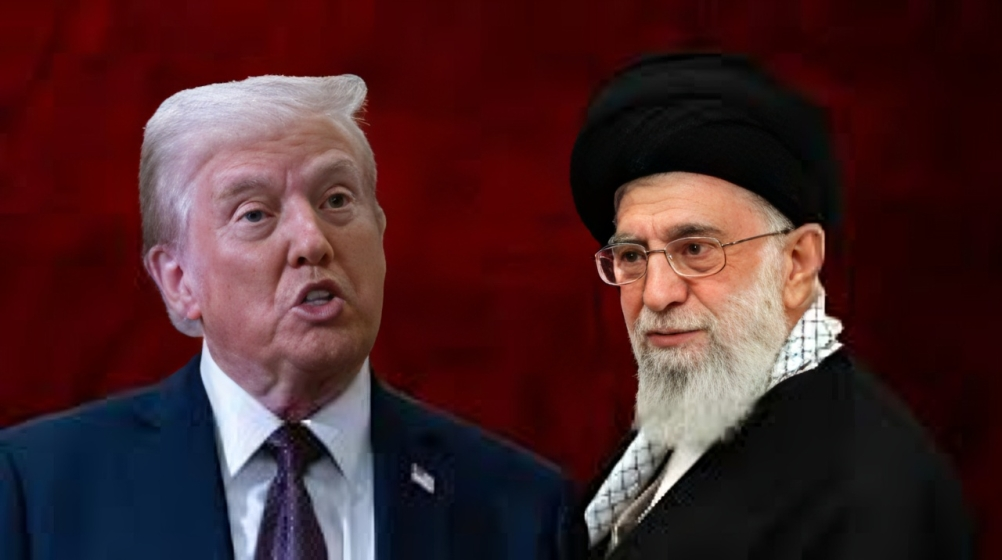
The United States has assembled one of its largest recent military buildups in the Middle East, deploying advanced fighter aircraft, surveillance systems, and naval strike groups as tensions with Iran intensify and diplomatic talks remain uncertain.
The military has established stealth fighter deployments throughout the region which include F-22 Raptors and F-35 Lightning II jets along with supporting aircraft and air defense systems. The deployment represents the highest level of United States air strength which has been applied to Middle Eastern operations since the beginning of the 2000s.
The military conducted operations to deploy Fighter Jets and Support Aircraft and Naval Forces
US Air Force aircraft have been relocated to Jordanian and Saudi Arabian military bases according to information from flight-tracking systems. The assets include F-15s, F-16s, F-22s, F-35s, and airborne early-warning platforms and aerial refueling tankers and battlefield communication aircraft which military forces use to control large-scale air operations.
The US Navy has established a major naval fleet in the Middle East and eastern Mediterranean which includes its aircraft carrier USS Abraham Lincoln and its escort ships. The USS Gerald R. Ford carrier strike group will proceed to the region to enhance the military’s capability for conducting strikes.
The United States military has established additional ground-based missile defense systems in various important sites to defend both American troops and their allied forces.
The military demonstration represents the largest show of force in recent years.
The current military buildup demonstrates modern military strategies which use advanced technology and precision strikes instead of traditional methods that require deploying large numbers of troops.
The military assets that have been deployed according to military analysts will enable the United States to execute continuous air missions during an extended period of time which will focus on attacking Iran’s nuclear sites and missile sites and other important military installations.
Trump Has Not Made His Final Decision Yet
President Donald Trump has yet to decide about authorizing military operations. Officials report he has received briefings about various military options which include small-scale attacks and extensive operations that would decrease Iran’s military strength.
Military forces stand prepared for immediate deployment according to reports but government officials are still assessing potential results and regional effects which might occur after deployment.
Diplomatic negotiations remain ongoing despite existing gaps between parties.
US and Iranian representatives recently engaged in negotiations in Geneva about Tehran’s nuclear program. The White House has described the talks as showing “some progress” but officials acknowledge that major differences remain.
Iran plans to release an extensive proposal within the next few weeks. However US officials have warned that failure to reach a deal could lead to military action.
Regional threats exist while Iran maintains various response options.
Experts warning that any conflict would result in retaliation. Iran maintains a large missile stockpile which enables it to attack US military bases and regional partner countries. The country can also use its capabilities to disrupt shipping activities within the Strait of Hormuz which serves as a vital passageway for international oil trade.
Some former military leaders believe that the USA has deployed its troops to Tehran with the intention of creating diplomatic pressure which would lead to a peaceful solution without starting a military conflict.