After the recent Supreme Court buildup against Donald Trump, his global tariff programme would be severely weakened owing to the invalidation of some of its largest parts by the 6-3 ruling. This judgment would be counted among the very few successes of businesses opposing what they already considered to be an excessive libertarian use of emergency trade powers.
A New 10% Tariff Announced, Notwithstanding the Blow from the Court
The Trump administration has very promptly introduced yet another measure following this ruling, an additional 10% duty that would apply to all incoming trade to the USA. As set forth in a White House factsheet, the duty was to be administered at the customs starting on February 24 and remained in operation for a good 150 days to follow.
Some sectors or goods, like drugs and USMCA trading goods specifically, will be kept out. It is also being suggested a 10% import duty could swing both ways, probably individual country-duty rates, for countries that might have been negotiating independently, but countries will be subject to uniform 10% rates; country-specific terms could be revisited by the administration.
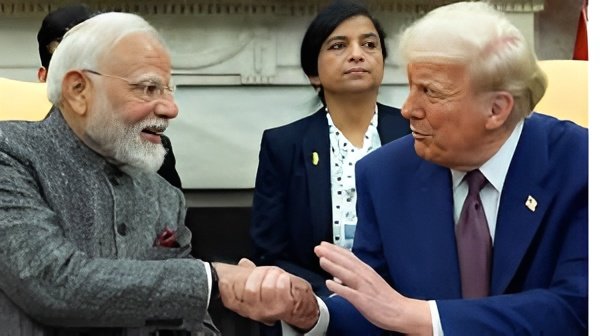
Trump has maintained his position that the court’s decision will not impact ongoing trade negotiations with anyone, including India. He went on to say, “The India deal is on… we’re just going to do it in a different way.” Trump, who has characterized the new plan as “fair,” has actually thrown the door into uncertainty and is avoiding the part where genuine harm resided.
Neal Katyal Emerges as Key Face of the Legal Challenge
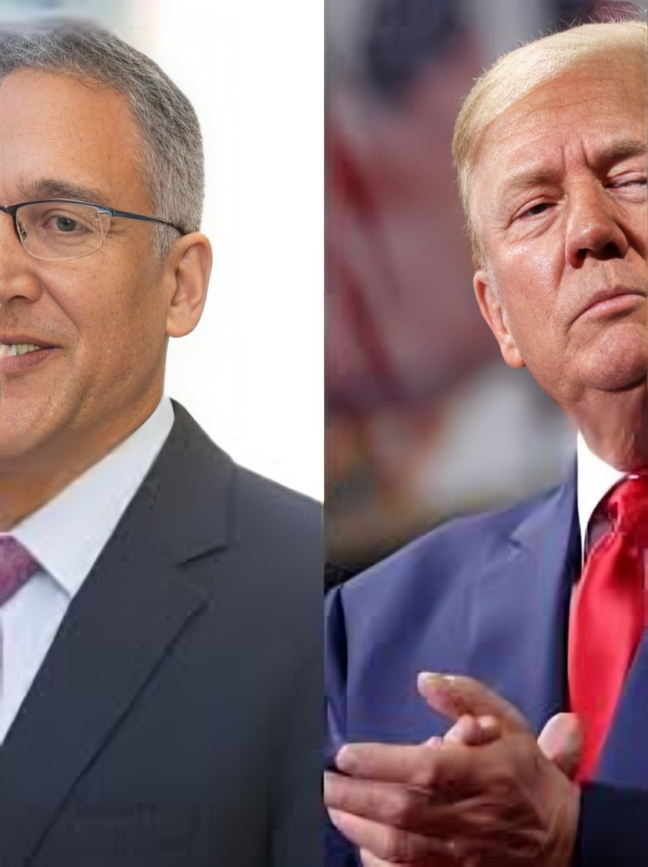
Neal Katyal, an Indian American lawyer representing the plaintiffs, played a key role in the lawsuit. An Acting Solicitor General under Barack Obama, Katyal very successfully argued that the Administration had overstepped its authority.
Others came to congratulate him, with impressive praise putting wind in his sails when Katyal posted articles on social media. “I have the best legal team in the world. Brilliant lawyers and the kindest of souls. #lucky,” he began.
What Happens to Tariff Revenue?
The court’s decision is expected to cast a new open into the Trump administration’s wider economic and foreign policy strategies. Reports suggest that the United States government will collect more than $130 billion in tariffs, and this gives rise to questions about how the same will be handled in the future, particularly under the revised system of collecting duties and enforcing trade.
A setback to the ‘America First’ trade policy
The ruling is being voluminously perceived as a legal and political check to Trump’s beloved policy of “America First” in economics, which chiefly centered on pressuring the trading partners by imposing tariffs. Though the government has been advancing new duties intended to be imposed, the ruling clearly defines when the emergency trade powers may be acted upon.
Whichever be the respective consequences felt by the various actors within the global economies and trading partners, the decision is known to play a vital role in determining the influence towards future decision-making; this has both bilateral transactions and other disputes as part of the intended agenda.