
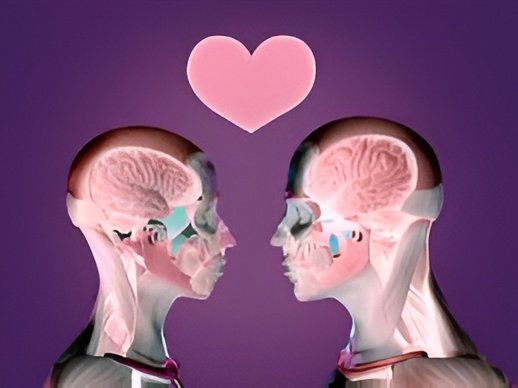
People talk about romantic feelings and physical reactions on Valentine’s Day because of their love for the holiday. Scientific research shows that love begins as a brain chemical reaction which produces the magical experience of love.
Researchers say that love causes people to experience a hormonal system which operates through neurotransmitters and hormones. Poetry shows that destiny controls romantic outcomes while biology explains that romantic love develops through dopamine and oxytocin which work together to create bonding chemicals.
How Love Begins in the Brain
Your brain starts to operate its reward system when you develop romantic feelings for another person. That person becomes more thrilling than anything else which includes essential activities such as eating and sleeping.
Dopamine serves as the main chemical for this response because it acts as the brain’s happiness-producing substance. The chemical brings people pleasure while it motivates them to achieve their goals. People who experience addiction need the same chemical which creates romantic attraction to their partners because this chemical lets them experience intense love which leads to obsessive behavior.
Norepinephrine begins to operate when it creates physical attraction signals which cause people to experience a quick heartbeat and sweaty hands and excited feelings. The first time two people meet a new romantic interest results in clumsy moments because chemistry actually exists between them.
Oxytocin which people commonly refer to as the cuddle hormone acts as a bonding chemical. Oxytocin which people release during physical contact through hugging and hand-holding creates stronger emotional connections which establish trust between two people. The hormone creates strong bonds between parents and their children which establishes its essential role in nurturing relationships.
Serotonin shows a different pattern of behavior. The initial phases of love cause serotonin levels to decrease which results in constant partner thoughts through people who replay past conversations and check their phones repeatedly while smiling at their screens without realizing it.
The Three Stages of Love
Scientists generally describe love in three phases:
Desire develops through hormonal forces which include testosterone and estrogen.
Attraction builds through dopamine and norepinephrine which produce both excitement and concentration.
Attachment develops through oxytocin and special bonding chemicals which enable relationships to survive throughout time.
Brain imaging studies show that more than a dozen regions of the brain become active during romantic experiences, making love a full neurological event rather than just an emotional one.
More Than Just Hormones
Experts state that hormones create initial attraction to others while lasting love needs more than that. Relationships develop strength through trust and mutual experiences and effective communication and deep respect.
You should remember that your heart problem on Valentine’s Day shows more than Cupid’s love arrow when your heart skips a beat and your stomach feels fluttery. Your brain throws a chemistry party that makes your brain function at peak performance during this event.