The worldwide attention has been brought directly to the biggest oil reserves after the recent arrest of Venezuelan leader Nicolás Maduro. President Trump of the United States has declared that the government of Washington will manage the oil industry of Venezuela, with American oil firms putting in a lot of money to bring the country’s poor infrastructure back to life.
Global Oil Markets: Short-Term Stability, Long-Term Shifts
Venezuela, despite its huge oil riches, has been limited to less than 1% of the worldwide oil production by the factors of sanctions, economic downfall, and under-expenditure, which have lasted for decades. Experts are warning that the revival of Venezuela’s oil industry will take several years, and they are not expecting any sudden changes in global prices in the near future. Still, in the event that the US manages to raise Venezuelan production output steadily, then the world oil supply could grow, thus leading to a long-term price drop as a result of the demand-supply relationship.
Venezuela’s Oil Wealth: Largest Reserves, Limited Output
Venezuela boasts more than 300 billion barrels of proven oil reserves, which is the largest figure in the world and approximately 20% of the total reserves. Saudi Arabia follows next in line. Still, the country’s output is about 1 million barrels per day (bpd), as opposed to over 100 million bpd consumed around the globe. At present, Venezuela’s share in OPEC’s exports is mere 3.5%, which demonstrates the huge discrepancy between the amount of oil that could be produced and the actual production.
Key reasons for low production include:
- Ongoing US sanctions restricting oil exports
- Prolonged economic and political crises
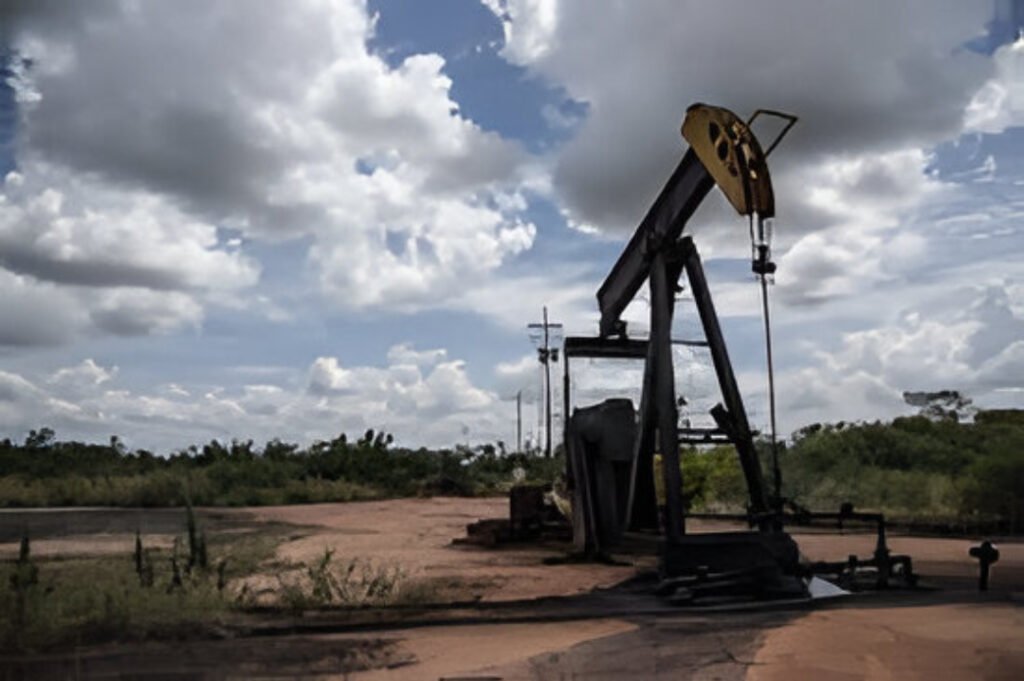
- Severe underinvestment and decaying oil infrastructure
Trump’s Plan and US Intervention
President Trump aims to allow US oil majors to invest billions in Venezuela, modernizing infrastructure and ramping up production. If successful, the plan could:
- Significantly increase Venezuela’s oil output
- Open the sector to foreign investment beyond US firms
- Add supply to global markets, potentially lowering prices over time
Experts warn, however, that meaningful production growth will take years due to the scale of the investment needed to restore aging facilities.
Implications for India
India is closely monitoring US–Venezuela developments. Any easing of sanctions could allow Venezuelan crude to return to the global market, benefiting Indian refiners and enabling stalled dividends from past investments to be recovered.
Potential gains for India’s oil companies include:
- ONGC Videsh, the overseas arm of Oil & Natural Gas Corporation, could reclaim over $500 million in dividends from its stakes in:
- San Cristobal (40% stake)
- Carabobo 1 (11% stake)
India, as of November 2025, has imported a modest sum of $255.3 million from Venezuela, which is equal to3% of its total oil imports. Reliance Industries Ltd (RIL) was the main importer of Venezuelan crude before the US sanctions in 2019, which then put an end to the imports. There were brief waivers in 2023 that allowed for the imports to be done for a short time, but these were stopped again following the renewed sanctions and the threats of the US imposing tariffs.
Operating Under the “Chevron Model”
ONGC Videsh plans to operate under the “Chevron model,” which enables companies to work in sanctioned countries via US-issued licenses. This model allows:
- Use of US banking channels and the dollar
- Significant operational and financial control, even when the host country’s national oil company (PDVSA in Venezuela) is the majority shareholder
Long-Term Outlook
Restoration of Venezuela’s oil industry is essential for the US and the world markets, though there are still obstacles. Years may be needed to see real outcomes because of continued underinvestment, worn-out facilities, and geopolitical issues. The scenario is one of both risk and opportunity for India and other oil-importing countries, depending on the US government’s stance and the enforcement of sanctions.