Household work, long shaped by informal networks, migrant labour and cash-based arrangements, has become the latest sector to be transformed by India’s rapidly expanding platform economy. App-based services now offer algorithm-driven, GPS-tracked and on-demand domestic help — a shift that is creating new opportunities for women, while also exposing deep structural challenges.
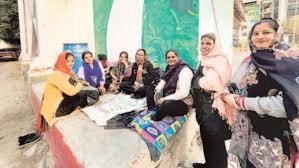
On a frosty morning in December, 2023 in Noida’s Sector 76, Tea and chit-chat were shared by eight women who sat near an overbridge. Wearing bright pink uniforms, they could not help but contrast with the city’s dull grey winter mist. They told that this place was their adda – a short break between the tasks assigned by Snabbit, the app that guarantees household services at your doorstep in no time.
The majority of the women hail from migrant families that originally settled in West Bengal, Bihar, and Uttar Pradesh. Their working hours often exceed 12 hours. Beyond cleaning homes, washing dishes or doing laundry, the job also includes long periods of logging into the app, waiting for orders and travelling between residential societies.
For many, gig work offers a sense of financial independence, predictable payments and flexible entry into the workforce — especially for those with limited formal education. At the same time, the realities are demanding. Earnings can hover around Rs 1,000 for a full day’s work, while algorithm-driven systems dictate job allocation, ratings and availability.
The uniform, which indicates a connection with the platform, serves as a double-edged sword—an identity and a burden at the same time. Although it provides visibility and acceptance in exclusive areas, some women claim that it also draws away a number of people and strengthens the social ladder connected to housework.
As the cleaning works go from informal arrangements through personal recommendations to app-based management, female gig workers are trying to find their way in a very complicated situation. The platforms open doors to income and mobility, but the long hours, modest pay and lack of social security underline the precarious nature of this new world of work.
The gig economy, for these women, is a double-edged sword — offering opportunity on one side, and uncertainty on the other.