
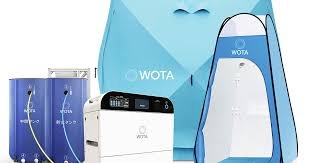
Japan introduces advanced water technology that enables homes in rural areas to purify and recycle all water through on-site systems which do not require municipal connections. The funding from both public and private sectors supports these systems to solve problems caused by outdated infrastructure together with decreasing population numbers.
The WOTA BOX device developed by Tokyo-based WOTA Corp has started testing with residential areas which used to depend on unreliable water supply systems for their drinking water needs. This system processes greywater produced by showers and sinks and laundry machines to achieve 97% water purification for recycling while using filtered rainwater to make up for water losses. The system processes toilets and drinking water through different methods which currently develop to achieve complete rainwater purification.
The system ensures water quality through three main methods which include advanced filtration and chemical disinfection and automated monitoring. WOTA Corp. reports that its units meet all Japanese tap water standards and comply with World Health Organization guidelines. The system achieved Technology Readiness Level 6 status in 2025 and progressed to complete environmental testing. The Akita and Ishikawa Prefectures pilot projects show successful results in areas with population decline which make traditional pipeline maintenance too expensive.
The Japanese government supports decentralized water systems through its Basic Policy on Economic and Fiscal Management and Reform 2025. Municipalities must address pipeline replacement expenses that reach up to 200 million yen per kilometer in certain locations, which leads to budget challenges that result in delayed maintenance work throughout rural areas and areas vulnerable to earthquakes. The implementation of decentralized systems decreases the need for long-distance transportation networks while enabling gradual system installation and offering protection against disasters.
WOTA established the Water 2040 Fund, which provides 10 billion yen to help municipalities through financing and planning tools and simulations and operational frameworks, to accelerate their adoption process. Digital tools simulate coverage across municipal grids, helping authorities prioritize deployment and plan modular setups for drinking, domestic, and toilet water.
Japan’s infrastructure planning system has undergone fundamental changes because of its new approach to developing the country. The country investigates mixed centralized-decentralized systems because more than 98% of its people currently use traditional drinking water networks to meet their needs. Local municipal leaders who oversee earthquake-affected regions believe that their communities need control over water resources to effectively handle emergency situations which WOTA systems already provide.
Experts consider Japan’s decentralized model to be a successful method for other countries that face challenges with their outdated water systems and unequal distribution of water resources.