
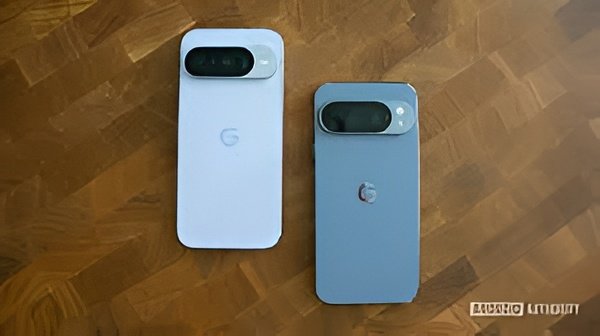
As the smartphone industry approaches 2026, early trends already hint at a clear front-runner — Google’s upcoming Pixel 11. Despite the year’s flagship launches still months away, shifting strategies from major competitors suggest Google may enter the new year with a decisive advantage.
Google Strengthens Its Position
Analysts note that Google’s Pixel lineup is in one of its strongest phases in years. With consistent improvements to its custom Tensor chipset, upgraded cameras, and a growing suite of reliable AI features, the Pixel 11 is expected to continue building on the momentum created by the Pixel 10 series.
What boosts Pixel’s prospects further is not just Google’s progress — but the missteps of its rivals.
Samsung Faces Uncertainty With Galaxy S26 Series
Samsung’s next flagship series was expected to introduce meaningful changes, including revised branding and new hardware across the Galaxy S26 lineup. However, multiple leaks now suggest that the upcoming models may offer incremental updates rather than the major overhaul initially anticipated.
The rumored Galaxy S26 Pro — once positioned as a step up — now appears to closely resemble the Galaxy S25, with similar camera hardware and Samsung’s familiar 25W charging speeds. Reports also indicate Samsung has reversed plans to introduce the previously leaked “Edge” variant, reverting to the traditional Plus model instead.
If accurate, these changes may leave Samsung facing a largely unchanged product cycle for the third consecutive year.
OnePlus Struggles to Maintain Flagship Appeal
OnePlus, too, appears to be losing ground. While the OnePlus 15 was the first device to launch with Qualcomm’s Snapdragon 8 Elite Gen 5 chipset, it introduced compromises that have disappointed longtime fans.
The company’s partnership with Hasselblad ended, resulting in a downgrade in camera hardware. Its refreshed industrial design has drawn mixed reactions, and the brand’s OxygenOS software — once a standout — now mirrors OPPO’s ColorOS more closely than ever. Meanwhile, OnePlus’ software support commitments still fall short of Google’s and Samsung’s.
Why Pixel 11 May Win by Default
With competitors offering fewer breakthroughs, Google may not need a dramatic reinvention to lead the Android market in 2026. The Pixel 10 already delivered meaningful upgrades: a telephoto lens, larger battery than the Galaxy S25 Plus, Qi2 wireless charging, and useful Gemini-powered AI tools like Pixel Studio and Help Me Edit.
If Google continues refining performance with the expected Tensor G6 chip and adds new on-device AI capabilities, the Pixel 11 could easily set the standard for next year’s flagship segment — even before it launches.
For now, industry watchers suggest that as Samsung and OnePlus recalibrate, Google simply needs steady, incremental upgrades to position the Pixel 11 as 2026’s early winner.

Women’s Reservation Bill Fails in Lok Sabha; Rahul Gandhi Slams Centre, Credits Opposition Unity