
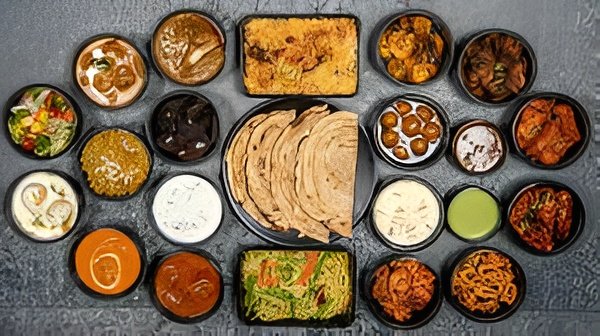
Indian food has once again received recognition worldwide, being ranked 13th in the TasteAtlas 100 Best Cuisines in the World 2025/26 list. With a score of 4.43 out of 5, India is among the most famous food cultures in the world which are characterized by their rich diversity, bold flavors, and deep-rooted culinary traditions.
Indian cuisine has been awarded for its regional differences for a long time—soft North Indian parathas or coastal West India’s spicy dishes or South Indian coconut-rich curries. The Indian spices, techniques, and ingredients have undoubtedly been the foremost reason that the country’s cuisine could be recognized in the international point of view, among others.
India’s Top Dishes Shine Globally
TasteAtlas highlighted several standout Indian dishes that contribute to the country’s rising global influence:
- Butter Garlic Naan (4.7) – Soft, buttery and a perfect pairing with Indian curries.
- Amritsari Kulcha (4.7) – A stuffed Punjabi favourite.
- Garam Masala (4.6) – The aromatic spice blend used across Indian kitchens.
- Parotta (4.6) – A flaky, layered classic from South India.
- Muthia (4.6) – A steamed, spiced Gujarati snack.
These preparations represent only a fraction of India’s vast culinary landscape but reflect its broad appeal and depth.
Where Indian Cuisine Stands Globally
The top 15 cuisines on the 2025/26 list include:
- Italy
- Greece
- Peru
- Portugal
- Spain
- Japan
- Turkey
- China
- France
- Indonesia
- Mexico
- Serbia
- India
- Poland
- USA
Italian cuisine leads the rankings with a score of 4.64, followed by Greece and Peru, celebrated for their traditional, ingredient-driven dishes.
A Growing Global Influence
India being among the chosen 15 clearly depicts the nation’s growing influence in the world of gastronomy. The country’s cuisine continues to attract attention not only to the well-known palatable and mouth-watering dishes like biryani, butter chicken, and dosa but also to the lesser-known ones through the process of revealing original regional Indian cuisines and mixing traditional spices.
Besides, the ranking recognizes the power of India’s domestic kitchen practices, markets’ food specialties, and regional traits—factors that together contribute to the emergence of one of the world’s most colorful and easy-to-get food culture.

Women’s Reservation Bill Fails in Lok Sabha; Rahul Gandhi Slams Centre, Credits Opposition Unity
The Lok Sabha rejected the women’s reservation bill on Friday which led to intense political reactions because Leader of the Opposition Rahul Gandhi accused the government of trying to damage the Constitution through its efforts to