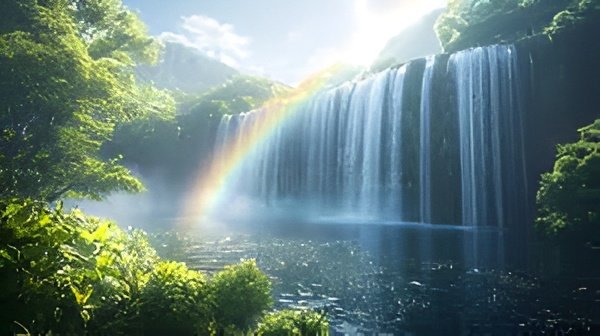
Rainbow Falls, Hawaii, which is more commonly known as the Rainbow Waterfall, is indeed among the best and most remarkable natural landmarks of the USA. The waterfall, located close to Hilo on the Big Island, is named after the stunning rainbow that frequently shows up in the mist during the daytime. The natural phenomenon, coupled with the greenery around, the rich past, and the very allure of the waterfall itself, has made it a splendid spot where tourists and nature admirers can mingle and have fun.
Why Rainbow Falls Is Called the Rainbow Waterfall
When sunlight hits the tiny mist that is coming from the Rainbow Falls, it forms a bright rainbow, particularly at dawn. The regularity of this colorful arc has given the waterfall the nickname ‘Rainbow Falls’ and has made it one of the most popular places to take pictures in Hawaii.
Location
The waterfall can be found within Wailuku River State Park in Hilo, where it is encircled by lush tropical plants, rugged volcanic rocks, and the continuous Wailuku River that flows, making the waterfall lively throughout the year.
Height of the Falls
Rainbow Falls has a total height of about 80 feet and is surrounded by a big pool that is a perfect place for watching the geological features and the vibrant vegetation, providing magnificent and picturesque views year-round.
Interesting Facts About Rainbow Falls
1. Home to a Lava Cave
A natural cave of lava is found behind the waterfall and it has a connection with Hawaiian myths. It is said that the cave is the residence of Hina, who is the mother of the demigod Maui, thus making the place more culturally significant.
2. One of the Most Accessible Waterfalls in Hawaii
The viewpoint, which is just a few minutes away from Hilo’s downtown, is immediately accessible from the parking area by taking a short walk and this makes it an easy spot for all visitors regardless of their age.
3. Transforms After Rain
After having heavy rainfall, the waterfall becomes stronger and wider, creating multiple rainbows that attract photographers most especially.
4. Fed by Hawaii’s Longest River
The Wailuku River—Hawaii’s longest—supplies water to the falls, ensuring a continuous flow even during drier months.
5. Surrounded by Rainforest Flora
Banyan trees, ferns, and thick tropical plants surround the area, giving the waterfall a rainforest-like setting ideal for nature photography.