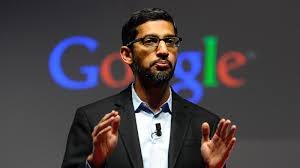

Over the course of the last year, ChatGPT was basically the unchallenged representative of artificial intelligence. The chatbot was used everywhere – in schools and in the workplace – and thus became the very term for generative AI.But quietly and decisively, Google has moved ahead — and the shift may have already settled the AI race.
From Catch-Up to Comeback
The moment ChatGPT gained immense popularity, Google found itself in the defensive position. Critics doubted how a company that was the very origin of AI research could ever be surpassed by a startup-based tool. However, that view did not remain for long.
Google’s answer was to integrate its AI models directly to the products used by billions of people — Search, Gmail, Docs, Android, and YouTube. Google’s AI, unlike the standalone chatbots, does not ask users to alter their habits. It merely adds to the functionality of the tools that are already part of people’s daily lives.
The Power of Ecosystem Advantage
Google’s biggest strength isn’t just smarter AI models — it’s reach. While ChatGPT requires users to visit a separate platform, Google’s AI operates seamlessly inside search results, emails, documents, and smartphones.
AI-powered Search summaries, smart writing in Gmail, real-time assistance in Docs, and on-device AI in Android phones have quietly turned Google into the most widely used AI platform in the world — often without users even realizing it.
Better Data, Deeper Context
Google has one advantage no rival can match: data at scale. With access to real-time search behavior, videos, maps, emails, and browsing patterns (within privacy limits), Google’s AI understands context better and responds faster.
This allows its models to deliver more accurate, timely, and practical answers — especially for real-world queries like travel, shopping, health, and local information.
AI That Actually Makes Money
Another key difference lies in monetisation. While many AI companies are still figuring out sustainable revenue models, Google’s AI is already generating value by improving ad targeting, search engagement, and productivity tools.
For Google, AI isn’t an experiment — it’s a business accelerator. That financial stability allows it to invest more aggressively and scale faster than competitors.
The Race May Already Be Decided
The AI race was never just about who built the best chatbot. It was about who could integrate AI into everyday life at global scale. On that front, Google holds a commanding lead.
ChatGPT changed how people think about AI. Google is changing how people live with it.
As AI becomes less about novelty and more about usefulness, Google’s quiet dominance suggests the race may not just be turning — it may already be over.