

In the beginning of 2026, the Indian rupee faced difficulties and lost 11 paise, thereby hitting the mark of 89.99 for the US dollar in the morning trade on January 1, 2026. Moreover, the exit of foreign investments is still viewed as the primary factor behind the fall of the local currency, and this has resulted in the last year’s volatility spill over into the current year.
On the last day of 2025 trading (December 31), the dollar was priced at 89.88 rupees. The rupee commenced trading at 89.94 in the interbank foreign currency market but soon retraced back to 89.99, which signals investors’ not very strong confidence.
Foreign exchange market analysts are of the opinion that the Indian economy’s strong macroeconomic factors together with the high foreign exchange reserves can still serve as a shield for the country against extreme market swings, even while global uncertainties exist.
“Volatility is likely to continue despite the new calendar year. The RBI, under Governor Sanjay Malhotra, seems comfortable letting the rupee respond to market forces while intervening selectively to maintain orderly conditions,” said Amit Pabari, MD of CR Forex Advisors.
Progress on the paused India–U.S. trade deal remains a key potential catalyst. Pabari went on to say, “USD/INR will likely be locked in at 89.30–90.20 for a short period. If the pair sustains a drop below 89.30, it could eventually target 88.50.”
However, the dollar index which shows the dollar’s value in relation to six other major currencies increased by 0.09% reaching 98.32. Brent crude oil futures went down by 0.78% and the final price per barrel was $60.85.
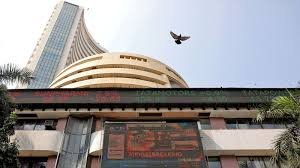
In contrast, the Indian stock market encouraged buyers as evidenced by the 194.38 points increase of Sensex which closed at 85,414.98 and by Nifty’s 47.55 points rise which resulted in its reaching 26,177.15.
According to the stock market statistics, Foreign Institutional Investors (FIIs) have a cautious approach and were net sellers on Wednesday with shares worth ₹3,597.38 crore.




Women’s Reservation Bill Fails in Lok Sabha; Rahul Gandhi Slams Centre, Credits Opposition Unity