
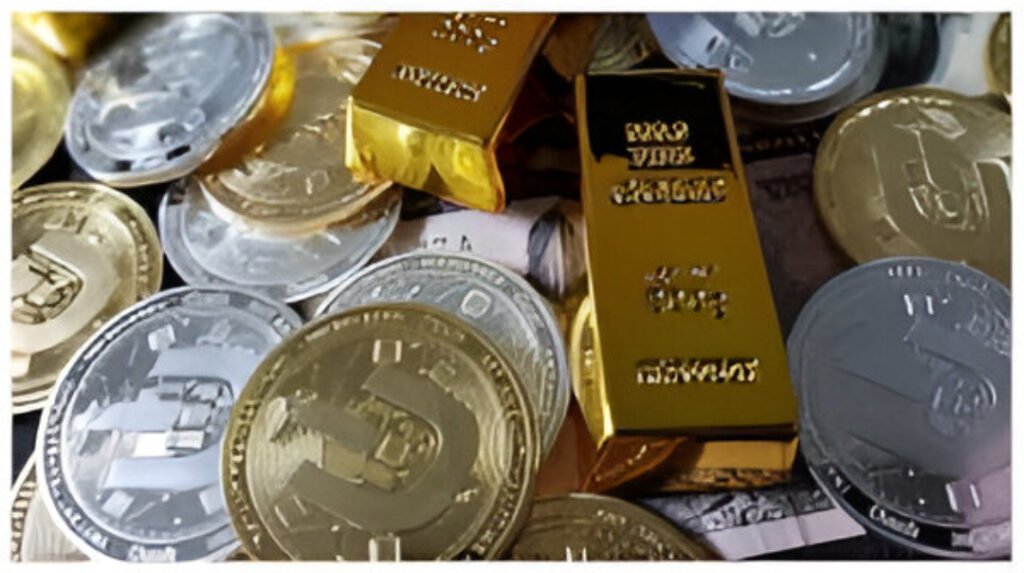
Gold and silver offered investors amazing returns last year, with gold increasing 73.45% and silver going up a remarkable 164%. Nevertheless, new geopolitical conflicts after the recent US bombardment of Venezuela have worries that the prices of precious metals, along with crude oil, may get affected negatively in the next few days.
Market analysts predict that the immediate effect of the Venezuela incident on global markets will be very small, except for short-term volatility. Moreover, at the beginning of the week gold and silver could gain little due to the global uncertainty and the safe-haven demand. Over the medium to long term, factors such as central bank buying, inflows into gold and silver ETFs, geopolitical tensions, the US dollar’s movement, interest rate trends, and global supply-demand dynamics will continue to influence prices.
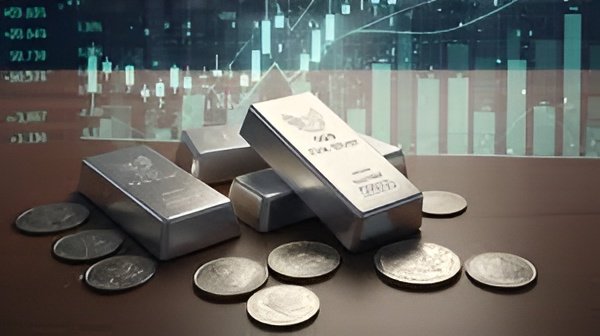
Silver, which recently saw a mild correction, is showing signs of recovery. Analysts attribute this rebound to China’s restrictions on silver exports and rising industrial demand. JP Morgan has a bullish outlook and has forecast that gold prices at the end of the year could rise to $5,400 per oz, while silver might reach $100 per oz.
On the other hand, oil prices are thought to be kept at their present level for a while longer. Brent crude is priced today at about $60.75 a barrel and the analysts predict no drastic price changes unless there is a further escalation of the geopolitical scenario.
India’s Venezuela Dues and Trade Implications
India’s direct economic engagement with Venezuela has been limited since 2020 due to US sanctions. Market observers believe the latest developments are unlikely to have a major impact on Indian stock markets. However, Indian companies, including ONGC Videsh, are reportedly owed nearly $1 billion (around ₹9,000 crore) by Venezuela.
If Venezuela’s internal situation stabilises and sanctions are eased, there could be a chance to recover these dues. Moreover, lifting of sanctions may allow India to resume large-scale oil imports from Venezuela. This could strengthen India’s bargaining power with Russia and West Asian oil suppliers and potentially ease the path toward an India–US trade agreement. Until then, analysts expect the current status quo to continue, with limited immediate impact on domestic markets.


Women’s Reservation Bill Fails in Lok Sabha; Rahul Gandhi Slams Centre, Credits Opposition Unity