
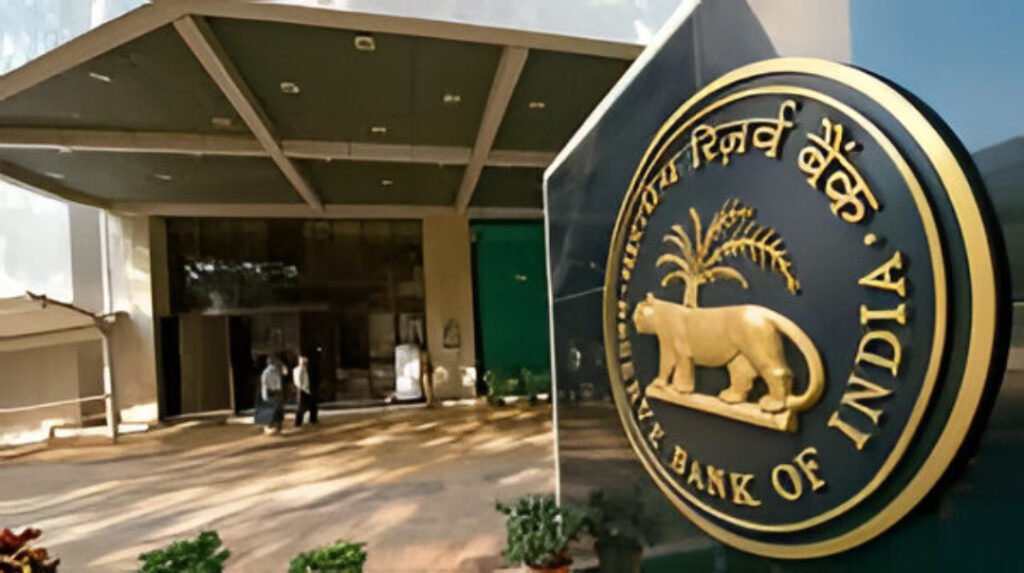
India’s banking network has expanded rapidly over the years, boosting financial inclusion across the country. However, this growth has also resulted in a large number of inactive, forgotten, and abandoned bank accounts. To tackle the risks associated with such accounts—including cyber fraud, money laundering, and identity misuse—the Reserve Bank of India (RBI) has announced stricter rules that will come into effect from January 10, 2026.
Under the new framework, both public and private sector banks will be required to review inactive and dormant accounts more rigorously. The objective is not only to close certain accounts but also to clean up banking databases, improve security, and encourage customers to actively use their accounts.
Why RBI Is Tightening the Rules
According to banking data, a significant amount of unclaimed money lies in accounts that have seen no customer activity for years. These dormant accounts add little economic value and are increasingly vulnerable to misuse in the digital era. Earlier guidelines allowed banks to mark such accounts as “inoperative,” but enforcement was inconsistent. The revised RBI norms aim to close this gap by mandating timely reactivation or closure.
Inactive vs Dormant Accounts Explained
An account is considered inactive if there are no customer-initiated transactions—such as deposits, withdrawals, transfers, or UPI payments—for 12 consecutive months. After this period, certain services like ATM withdrawals and cheque usage may be restricted.
If inactivity continues for two years, the account is classified as dormant. Under the new RBI rules, dormant accounts that remain unused even after due notice may be closed from 2026 onward.
Importantly, automatic credits like interest payments or debit charges do not count as activity. Only transactions initiated by the account holder can keep an account active.
Focus on Zero Balance Accounts
Zero balance accounts, especially those opened under financial inclusion schemes, scholarships, or short-term employment arrangements, form a major share of inactive accounts. Many of these accounts are left unused once their original purpose ends.
As per the revised guidelines, zero balance accounts with no transactions and no active government benefit linkage may be closed after proper intimation. Accounts that still receive subsidies or are used periodically will remain unaffected.
What Happens to the Money in Closed Accounts?
If an account is closed, the balance will not be lost. Any funds will be transferred to the Depositor Education and Awareness (DEA) Fund managed by the RBI. Account holders or their legal heirs can reclaim this money later by approaching the bank with valid documents. However, experts advise keeping accounts active, as reclaiming funds from the DEA Fund can be time-consuming.
Impact on Customers and Banks
The new rules may particularly affect senior citizens, rural customers, and people holding multiple unused accounts. Banks are expected to intensify awareness campaigns through SMS alerts, letters, and public notices well before closures begin.
From the banking sector’s perspective, the move is seen as a necessary clean-up exercise. Maintaining dormant accounts increases compliance costs and security risks. Many banks are likely to roll out reactivation drives in 2025, urging customers to update KYC details and carry out basic transactions.
A Shift Toward Active Banking
The RBI’s latest initiative signals a shift from merely opening accounts to ensuring they are actively used and secure. The regulators are of the opinion that a purer and more engaged banking ecosystem will be the very foundation of trust and transparency in the sector as digital fraud increases in volume globally.
Account holders are urged to take a closer look at their bank accounts, to carry out at least one transaction, if necessary, and to revise KYC information in order to circumvent unnecessary inconveniences as the date of January 2026 draws nearer.


Women’s Reservation Bill Fails in Lok Sabha; Rahul Gandhi Slams Centre, Credits Opposition Unity
The Lok Sabha rejected the women’s reservation bill on Friday which led to intense political reactions because Leader of the Opposition Rahul Gandhi accused the government of trying to damage the Constitution through its efforts to