
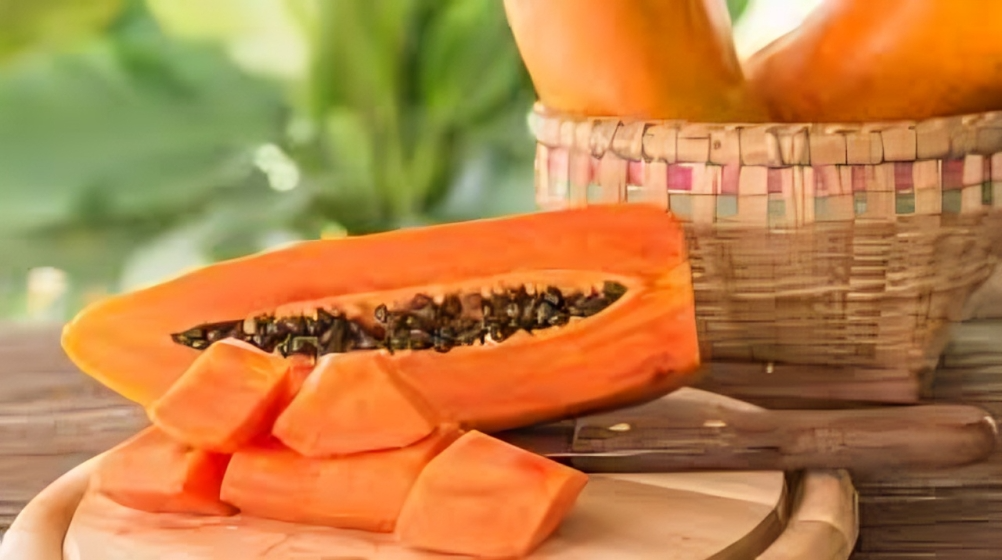
Papaya has always been a popular fruit considered as a good health source by the majority of people. It has many good effects ranging from aiding digestion to helping in weight loss. But, on the other hand, most people think of the fruit as a winter-no-no because of its property of cooling nature which could be harmful for the body. Nutritionist professionals have come to a consensus that papaya is not only edible during the winter but can also be very beneficial if eaten in the right way.
Dr. Anamika Gaur, who worked as a nutritionist in GTB Hospital, Delhi, says that papaya is a fruit that has always been associated with being “cool” but it is still enjoyed by people in all the seasons, even in winter.
Why Papaya Is Good in Winter
Winter is the time when physical activities generally decrease and along with it, the number of related problems like constipation, acidity, and indigestion also increase. Among the fruits, papaya has the highest level of enzyme papain, which makes the digestion process easier and also keeps the intestines clean. To add to it, this fruit is also rich in the vitamin C and antioxidants which work in unison to raise the immune system and to safeguard against the seasonal colds and infections.
Helps with Weight Management
Certainly, it’s rather frequent that the chilly season makes individuals craving more rich and cozy foods. As far as winter fruits are concerned, papaya would be an excellent choice since it not only has very few calories but also contains a lot of dietary fiber which assists making a person feel full for a longer time. This leads to less frequent hunger pangs and, consequently, the intake of fewer calories thus it supports the healthy weight control during the cold months.
When and How Much to Eat
The physicians suggest that a person should eat papaya on an empty stomach in the morning during winter to reap the maximum benefits from it. The perfect daily intake is about 5 to 6 fruits which should not be more than 200 grams.
Precautions to Follow
Papaya is a valuable fruit, but its consumption should be limited in winter. Do not eat it cold; rather, warm it in a room before having it. Those who have a very bad cough or cold should eat less of it. In case of white papaya being very cold for the stomach, drinking a small amount of warm water can counteract its cooling effect.
When taken in moderate amounts and at the appropriate time, one can enjoy the beneficial effects of papaya on the digestive system, the immune system, the skin, and the overall wellness through winter sneezes and colds.






Women’s Reservation Bill Fails in Lok Sabha; Rahul Gandhi Slams Centre, Credits Opposition Unity