
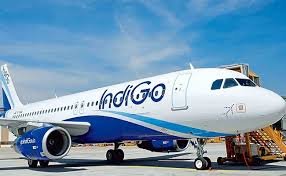
IndiGo has vacated 717 take-off and landing slots across domestic airports after aviation regulator DGCA ordered a 10% cut in the airline’s winter schedule, following major operational disruptions in early December, sources said.
Slots — which define specific time windows for aircraft landings and departures — were surrendered across multiple airports between January and March. The total number of vacated slots includes 364 which come from six major metropolitan areas that include Delhi Mumbai Chennai Kolkata Bengaluru and Hyderabad. The sources indicated that Hyderabad and Bengaluru had the highest count of this particular area.
According to data shared with PTI, 361 slots have been vacated for March alone, while February saw 43 slots freed up. January accounts for the remaining 361 slots.
The Ministry of Civil Aviation has now invited other domestic airlines to apply for these vacated slots. The ministry announced on January 22 that IndiGo had submitted its slot list after reducing its winter capacity during early December.
IndiGo operates its flight schedule by conducting more than 2200 flights on a daily basis. According to its approved winter schedule for the 2025 to 2026 period the airline obtained permission to operate 15014 flights per week which translates to about 2144 flights each day. The DGCA directive led to a 10% decrease in domestic flights which now reach approximately 1930 flights that operate every day. IndiGo operated 2,022 flights every day according to the summer schedule.
The regulatory action occurred because IndiGo canceled 2,507 flights and delayed 1,852 flights during the December 3 to 5 period last year which caused widespread disruptions that affected more than three lakh passengers throughout the country.
An industry executive noted that most of the vacated slots are only available until the end of March after which they could revert to IndiGo. “No airline is likely to plan or open new routes for such a short duration,” the executive said. Another showed that most available slots exist during late-night hours and early-morning red-eye flights which will decrease interest in these slots.
The ministry announced its committee for redistributing vacated slots conducted its initial meeting on January 13 to establish allocation principles and distribution process. Airlines have been asked to submit their requests directly to airport operators, subject to conditions, including that they must not discontinue existing routes to take advantage of the freed slots.
Following the December disruptions, the DGCA imposed fines totalling ₹22.20 crore on IndiGo on January 17 and issued warnings to CEO Pieter Elbers and two other senior executives. The regulator also directed the airline to provide a $50 crore bank guarantee to ensure long-term corrective measures.
In a subsequent statement on January 20, the DGCA said the disruptions were caused by inadequate crew management, insufficient regulatory preparedness, and gaps in system software, management structure and operational control.

Women’s Reservation Bill Fails in Lok Sabha; Rahul Gandhi Slams Centre, Credits Opposition Unity
The Lok Sabha rejected the women’s reservation bill on Friday which led to intense political reactions because Leader of the Opposition Rahul Gandhi accused the government of trying to damage the Constitution through its efforts to