
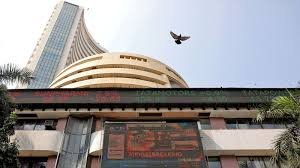
Indian equity benchmarks turned sharply higher during the special Budget-day trading session on Sunday. The Sensex increased by more than 300 points and the Nifty 50 surpassed 25,400 points after Finance Minister Nirmala Sitharaman presented the Union Budget for 2026-27 in Parliament.
The session began with a subdued performance which investors used to wait for Budget policy signals because they were uncertain about global trade conditions and the impact of U.S. tariffs.
Markets Recover After Flat Opening
The Nifty 50 opened at 25,333.75, gaining 13.10 points or 0.05%, while the BSE Sensex started at 82,445.97, up 176.19 points or 0.21%. The Budget speech proceeded with increased buying activity across different sectors which caused the benchmarks to rise higher.
The debt and foreign exchange markets stayed closed throughout the special trading session.
Sectoral Performance: Metals Drag, Policy Sectors in Focus
The headline indices showed upward movement yet market breadth remained weak because 12 of the 16 major sectoral indices showed negative performance. The metal index declined more than 4% because global metal prices decreased and the dollar strengthened and traders began to sell their positions after the recent price increase.
Precious metals also saw sharp declines:
- MCX silver (March futures) fell ₹7,099 or 2.43% to ₹2,84,826 per kg
- MCX gold plunged ₹13,711 or nearly 9% to ₹1,38,634 per 10 grams
Budget Expectations Keep Volatility High
The market participants who entered Budget Day with their expectations set at a standard level discovered that analysts predicted any positive surprise which emerged from capital expenditure and manufacturing incentives and export support would trigger an extended market rally.
Investors are closely tracking government signals on:
- Infrastructure and capital expenditure push
- Support for export-oriented sectors
- Fiscal discipline amid global macro uncertainty
Special Sunday Trading Session
The BSE and NSE opened their special trading session on February 1 to coincide with the Budget presentation. Weekend trading on the Indian stock market has only occurred twice in its history with the first instance happening in 1999 when the Budget was presented on a Saturday.
Sectors to Watch
The session will experience ongoing volatility because high-growth sectors and policy-sensitive sectors will continue to operate unpredictably. The primary sectors of interest for analysis include:
- Defence
- Infrastructure
- Power and Railways
- Financials and Housing
These areas have typically reacted highest to the allocation of the Budget, tax incentives and interest rate advice.
Markets are expected to experience ongoing price fluctuations throughout the trading session because investors need time to analyze Budget announcements and particular policies for different sectors.