

The historic Chinatown of Kolkata used to have 10000 Chinese immigrants but now faces rapid population decline. The Chinese population in the city has decreased from 50000 in the 1960s to about 2000 people currently. The SIR process data from West Bengal shows that 389 voters out of 484 registered voters in the community which had untraceable status.
The Chinese community first established itself in Kolkata during the 1840s when Chinese immigrants began settling in Tangra and Tiretti Bazaar. The community has faced racism and social challenges for many years but its members created an enduring cultural heritage which includes their culinary creation called mafaa. This traditional cookie is made with soft flaky texture and pleasant fragrance.
The elderly residents spend their days engaged in peaceful patterns of life. Paul Wen who is 71 years old needs a cane to walk but he struggles to do so because diabetes has made him blind. He goes to a Tiretti Bazaar tea shop on a January morning which has cold weather to connect with people who pass by. Wen was born in Kolkata to Chinese parents who first moved to India during World War II. He has no remaining family and meets people only at community kitchens and on streets where neighbors bring him meals.
The population decline in Kolkata’s Chinatown area represents more than a demographic change because it marks the end of a rich cultural district which has provided cultural benefits to the city for almost two hundred years. The streets and restaurants of Chinatown now reflect the memories of a community that used to be prosperous because its younger members have migrated to search for work opportunities in other countries.
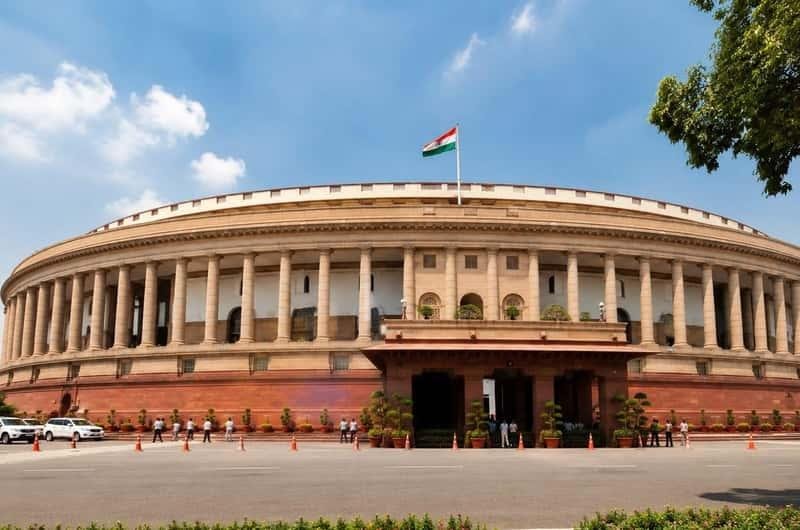

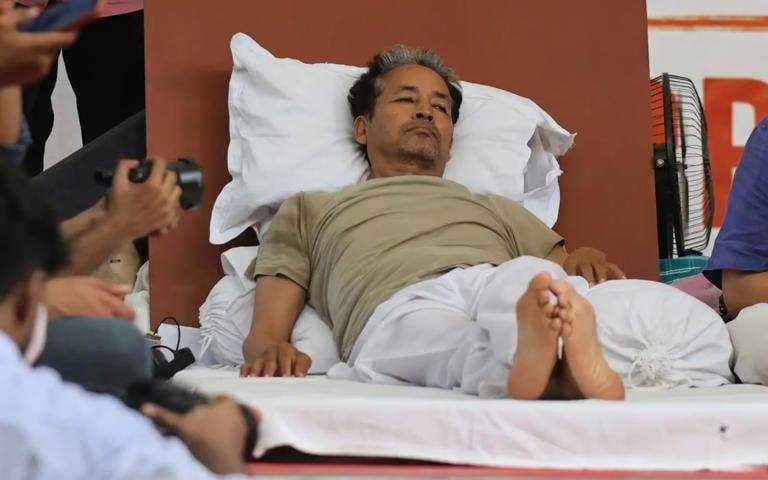


Women’s Reservation Bill Fails in Lok Sabha; Rahul Gandhi Slams Centre, Credits Opposition Unity
The Lok Sabha rejected the women’s reservation bill on Friday which led to intense political reactions because Leader of the Opposition Rahul Gandhi accused the government of trying to damage the Constitution through its efforts to