
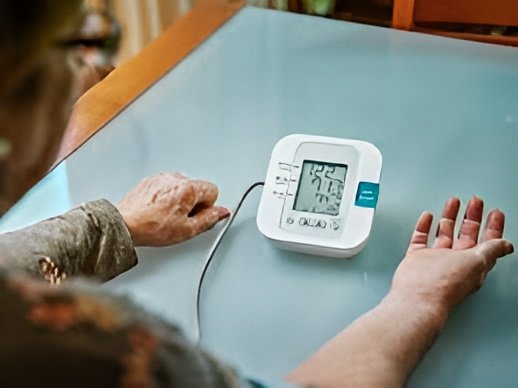
A viral concern recently surfaced on Quora when a user asked: “My blood pressure was 116/71. Can I still have a heart attack? I’ve been so nervous about it.” While the reading itself is an “ideal” gold standard, top cardiologists warn that focusing solely on blood pressure can create a dangerous “halo effect,” masking other critical risk factors.
The Good News: Your Reading is “Textbook”
According to Dr. Swarup Swaraj Pal, Chief CVTS surgeon at Gleneagles Hospital, Mumbai, a reading of 116/71 mmHg is excellent.
“A normal range typically falls between 90/60 and 120/80 mmHg. This user is well within the healthy zone, meaning their heart is currently pumping blood without excessive strain on the arterial walls,” Dr. Pal explained.
The Hard Truth: BP is Only One Piece of the Puzzle
Can you still have a heart attack with perfect blood pressure? Yes. A heart attack is a “plumbing” issue, whereas blood pressure is a “pressure” issue. You can have a clear pressure gauge even if the pipes are starting to clog. Experts highlight several factors that operate independently of blood pressure:
- Plaque Buildup: High cholesterol can lead to arterial blockages even if blood flows at a normal pressure.
- Genetic Factors: Family history can predispose individuals to sudden cardiac events.
- Lifestyle Silent Killers: Smoking, poorly managed diabetes, and chronic sleep deprivation.
- The “Stress Hormone” Factor: High levels of cortisol from emotional burnout can damage the heart indirectly.
Subtle Signs: It’s Not Always a “Crushing” Pain
Dr. Parin Sangoi, Consultant Interventional Cardiologist at Wockhardt Hospitals, notes that many people—especially women—miss early warning signs because they don’t feel the “classic” chest pressure.
Watch for these “Atypical” Symptoms:
- Unexplained, extreme fatigue
- Pain radiating to the jaw, neck, or back
- Dizziness or sudden cold sweats
- Shortness of breath while performing routine tasks
Your “Heart Defense” Checklist
A calm mind and consistent habits are your heart’s best protection, not just a single reading on a monitor.
| Category | Action Plan |
| Activity | Aim for 30–40 minutes of moderate exercise most days. |
| Nutrition | Prioritize fiber (fruits/veggies); slash processed and fried oils. |
| Sleep | Consistent 7–8 hours to regulate cortisol and heart rate. |
| Screening | Annual check-ups starting at age 35 (earlier if family history exists). |
The Anxiety Trap
Interestingly, the very nervousness the Quora user expressed can mimic heart symptoms. Anxiety can cause palpitations and chest tightness, which are often indistinguishable from cardiac distress to the sufferer.
The Bottom Line: If you feel chest pain or shortness of breath, seek emergency help immediately. However, if you are asymptomatic with a 116/71 reading, you are in a great starting position—just remember to look at the whole picture, not just the numbers.




Women’s Reservation Bill Fails in Lok Sabha; Rahul Gandhi Slams Centre, Credits Opposition Unity