
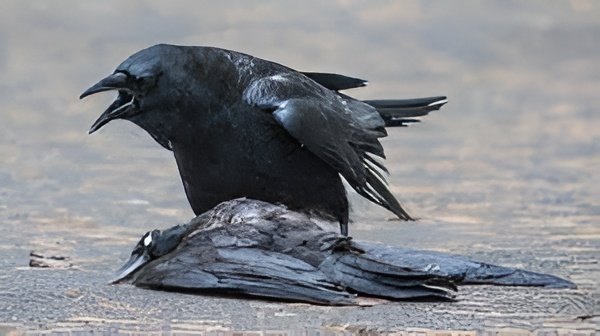
In many districts, crow deaths are reported to a vast extent. This has lead to extra precaution in this region. This sudden peril has compelled the Department of Animal Husbandry, Dairying and Fisheries to issue a comprehensive advisory for precautionary measures against AI for poultry, wild birds, and humans. The Director of Public Health and Preventive Medicine has issued a public health advisory urging residents to remain vigilant and to strictly adhere to safety protocols. Health officials have advised residents to immediately seek medical treatment if they have flu-like symptoms like fever, cough, cold, or breathing difficulties, particularly if they were in contact with birds.
The advisory particularly mentions workers in slaughterhouses, poultry handlers, and people likely to come into contact with sick or dead birds, calling for them to exercise caution. The general public has been urged to inform the animal husbandry department the moment they learn about unusual deaths of birds or a cluster of illnesses.
The field staff and veterinary teams have been instructed to increase surveillance across districts to watch out for sudden illness or mortality among crows, other wild birds, and domestic poultry. The veterinary teams have also been directed not to carry out a post-mortem on birds outdoors; instead, they should send carcasses to the nearest Regional Disease Diagnostic Laboratories.
In order to prevent environmental contamination, there should be no way of spreading the disease through the scavengers. This is the reason authorities have asked for the disposal of dead birds by incineration or deep burial. It was strictly advised to the public not to touch the bird carcasses directly with one’s hands; lest these will at least wear gloves and properly wash the hands afterwards in case of any possibility of handling it.
Dr. M. G. Ganesan, who is the Deputy Director of the Mudumalai Tiger Reserve, confirmed that the wildlife divisions have been put on a red alert for the closely checking out of the situation. In addition to this, the Division of Media is encouraging all poultry farms to restrict visitor access to their farms and strengthen biosecurity at the farm level.
Overall, educating the population about the symptoms and risks associated with the avian influenza is high on the department’s agenda, with an Information, Education, Communication (IEC) campaign to be accordingly launched. Live bird and wet markets are monitored, and more stringent movement control on poultry and poultry products are being put in place, particularly in the bordering districts.
Directions were given to the district administrations to check the readiness levels and ensure well-prepared teams, equipment, manpower, and response strategies to thwart any outbreak that could occur swiftly.