
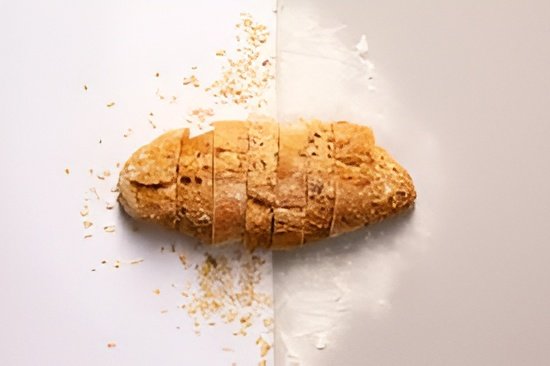
Maida, or refined wheat flour, is indeed an Indian culinary “white poison”. It was first brought to India by Mughal Emperor Babur from Persia and found to be the food of royals. Gradually, it became very popular with the help of industrial milling, and thus fully substituted for the other types of flour in breads, sweets, snacks, and fast foods.
Reasons for Maida’s Harm
Since the germ layer of wheat is removed, maida is devoid of vital nutrients. In order to make it very bright white, the use of harmful chemicals like azodicarbonamide, benzoyl peroxide, hydrogen peroxide, potassium bromate, and other such substances is common practice. These whitening agents, which are prohibited in many countries such as Australia, Japan, and the EU, have been associated with cancer and other health problems.
Maida even in its unbleached form still shows harmful effects due to the presence of gluten, which makes it difficult for the body to absorb the minerals and can even lead to intestinal damage and brain impact over time. The regular consumption of maida containing products such as bread, pizza, naan, pastries, samosas, and sweets will pose a greater risk of cancer, mental disorders, liver, and kidney diseases.
Healthier Alternatives
By following the experts’ advice one can stay away from maida and switch to healthier whole wheat flour or flour made from chickpeas, millet, or rice in order to maintain a balanced diet. Past snacks made with whole-grains offer Khandvi (using chickpea flour) and Carrot Delight alternatives to maida that are delicious and nutritious.