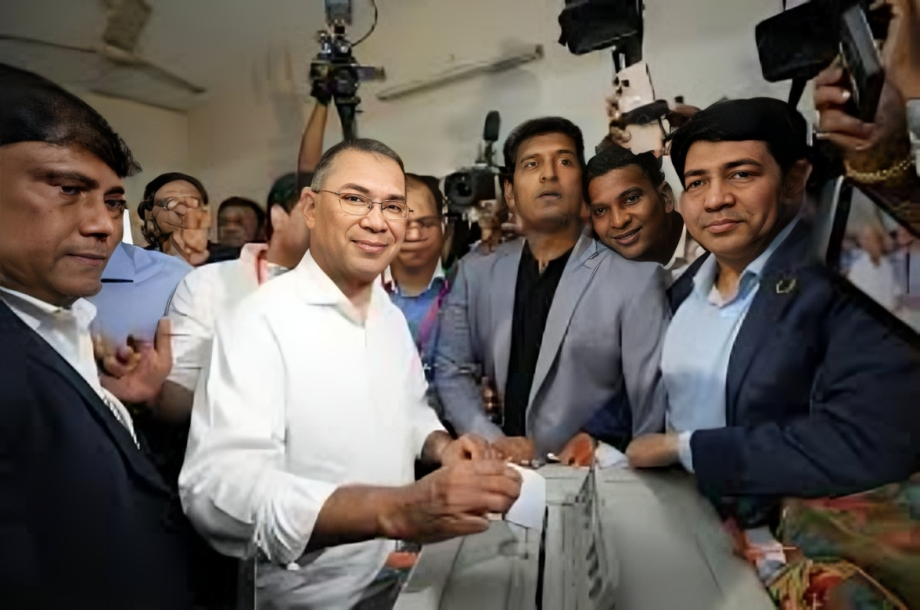
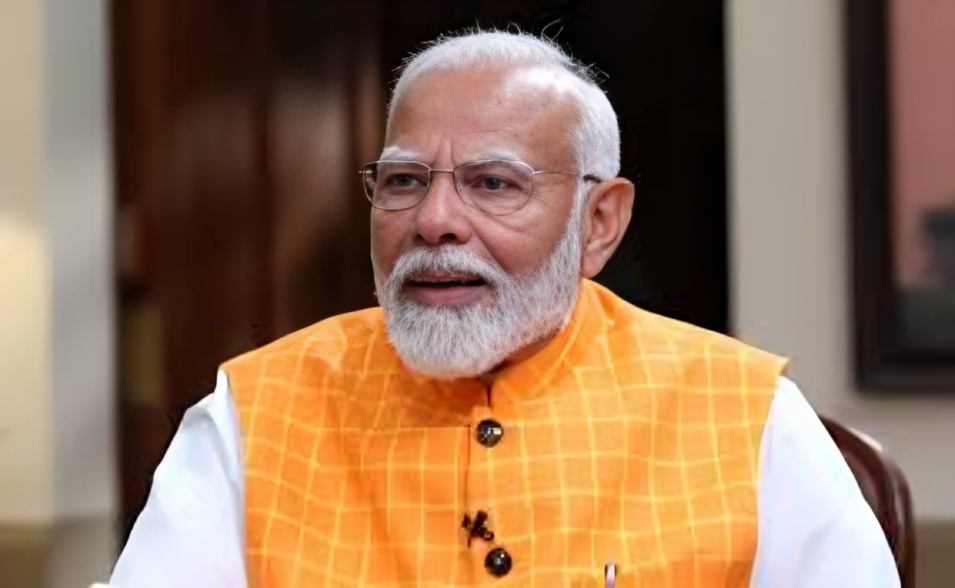
Prime Minister Narendra Modi on Friday extended his congratulations to Bangladesh Nationalist Party (BNP) leader Tarique Rahman regarding their important win in Bangladesh’s parliamentary election.
As counting was still in progress, but the data now made the trend absolutely clear that the BNP was going to win the election. In an X post, which had millions of hits, PM Modi gave out his “heartiest congratulations” to Rahman for leading the party to a “decisive victory”.
“This victory reflects the trust of the people of Bangladesh in your leadership,” PM said.
He reassured the incoming government of continued help, saying: “New Delhi will extend its support for a democratic, progressive, and inclusive Bangladesh.”
“I look forward to working with you to strengthen our multifaceted relations and advance our common development goals,” he added.
Diplomatic Reset After Strained Phase
The next point that tends to emerge is that at a ghastly juncture of regular politics in Dhaka, Prime Minister Modi’s words seem to be steering to some degree the setting of starting off a process to maintain a state of normalcy in bilateral relations. In the interregnum regime of Muhammad Yunus, relations of the neighbors were indeed mired with real strains, bordering upon the issues of border security, illegal infiltration, and the persecution of minorities by the political bang she set up.
During the Awami League lead by Hasina, India and Bangladesh built on a strong base of cooperation including trade, connectivity, water preservation, and counter-terrorism. However, so far her removal from power has led to political instability and shadow of uncertainty in way of diplomatic relations.
BNP in Power
The Bangladesh Nationalist Party is reentering power after an off-and-on rule close to 20 years. While Election Commission’s final results are awaited, the majoritarian mark in the parliament looks crossed.
Despite traveling to various regions of Bangladesh, with the exception of Trishal for the burial of his brother for instance, former Prime Minister Khaleda Zia promised to return to her constituency, Fulpur Offends at the next election in the northern district of Mymensingh. The human rights claim against her in recent years only exemplifies her involvement in corruption cases interpreted from viewpoint of hostile forces.
In spite of this, to the chagrin of her own party members, Khaleda could not convince some of the senior officers who recently felt disillusioned with the party on one pretext or another to even give up their renewal in favor of replacement by her handpicked list. Rather, the officers showed the courage to stand alone.
As the opposition grows through these ways, what seems improved instead are the then opposition’s political reality, a situation where party ideals went into questioning and its directionality towards opposition to the government.