
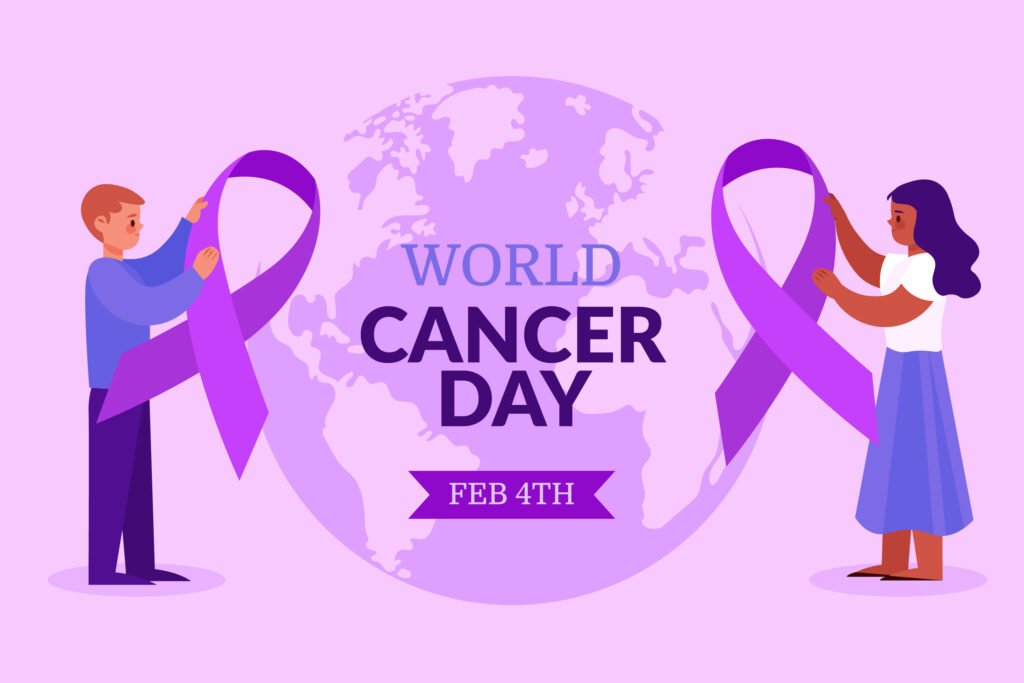
The worldwide observance of World Cancer Day occurs on February 4, 2026 because it provides educational resources that improve public health through awareness efforts and collaborative initiatives. The current health emergency which the world faces today occurs because of increasing disease rates and persistent healthcare access problems.
The Theme for 2026: “United by Unique” The Union for International Cancer Control (UICC) has selected its theme for the period from 2025 through 2027 which is called “United by Unique.” The theme demonstrates that cancer affects people worldwide while each individual experiences their own path through the disease. The discussion shifts its emphasis from clinical data to concentrate on individual human beings. “United by Unique” emphasizes:
The core of person-centered care evaluates each patient as an individual who needs medical treatment. The social environments that people inhabit plus their economic status and cultural background define their personal experiences. Our distinct life experiences unite us as we work to establish a society where everyone has access to high-quality medical treatment.
World Cancer Day exists because World Cancer Day became established at the World Summit Against Cancer which took place in Paris during the year 2000. Its primary mission is to prevent millions of deaths by raising awareness and pressing governments to take action. The study serves as a warning that cancer extends beyond medical problems because it creates social and economic and human rights difficulties.
The day enables people to:
Self-Advocate: People should learn to identify medical warning signs which include finding unusual lumps and dealing with persistent coughs and experiencing unexplained weight loss.
Reduce Stigma: People who need to get diagnosed should break the silence that prevents them from doing so because they fear the consequences of their condition.
Lobby for Change: The public demands that policy makers develop better medical facilities while providing affordable access to essential medicines.
The Hard Truths: Realities We Can’t Ignore The available data for 2026 shows two alarming facts that demand immediate intervention. Income level determines your likelihood of survival because the disease spreads throughout your region.
Cancer survival rates in high-income countries exceed 70 percent while low-income areas face challenges because people do not have access to screening tests and medical professionals. Cancer experts believe that between 30 percent and 50 percent of all cancer cases can be prevented through existing measures. Tobacco use remains the single largest preventable cause of cancer death globally, followed by high BMI, alcohol consumption, and physical inactivity.
The global cancer burden will increase by up to 90 percent in some areas because of two factors which include population aging and environmental conditions, including air pollution. The direct health effects of cancer lead to over $1.16 trillion in annual global economic costs, which usually leads families to financial ruin because they have to pay for essential medical procedures.


Women’s Reservation Bill Fails in Lok Sabha; Rahul Gandhi Slams Centre, Credits Opposition Unity